
A skin condition characterized by a lack of natural oils is known as dry scalp. People nowadays do a lot of expensive treatments and still have dry scalp, due to which they have fast hair fall. But there is still a low process which you can follow, such as doing home remedies. What are the best home remedies for a dry scalp? Well, in today’s blog post, I will share with you what the best home remedies are that you can use at home to get rid of dry scalp. But before that, if you want to know what the best hair oil is for fast hair growth? You can read a guide on my site.
Dry scalp is very itchy and very uncomfortable as well. And this dry scalp leads to an unsightly condition known as dandruff. And here is the best part, that you can have the best and safest dry scalp treatment at home, which will be very effective here we disccuse about natural remedies for dry scalp
.
If you wash your hair regularly, moisturising and conditioning your scalp will not only significantly enhance the health of your dry scalp but will also make your hair look more beautiful while doing the whole process step by step.
How can I find out if I have a dry scalp?
Dealing with a dry, sore, and itchy scalp is very frustrating, and you will often see these symptoms overlay with other issues. Generally, a dry scalp will happen when your scalp is not getting natural oil, which is known as sebum. Because of this, your scalp stays hydrated. When your scalp is not getting enough sebum know as natural oil, it will lead to signs like a tight or paper-like feeling, itching constantly, and you will also notice some grey and white flakes falling from your hair, which in common words is known as dandruff.
In addition, you will also notice that your hair is starting to feel dry and brittle because it lacks the oil it needs to stay soft due to itchiness. In some cases, you might feel like your scalp feels tender or may be sore, and when you move your hair, or maybe you will have a little redness due to irritation or inflammation, and in some cases, you will feel a burning sensation.
There are common symptoms, and if you see any serious symptoms like rashes, oozing, or sores, then you must see a dermatologist or scalp specialist to make sure you don’t have infections or allergic reactions.
Does dry scalp cause dandruff?
Well, dry scalp and dandruff are a bit different. Dry scalp can cause dandruff due to a lack of moisture, because your scalp will be itchy and flaky. And you often feel irritation and flakes will come off into fine white and grey pieces that you will usually notice on your clothes, and when you scratch the itch, it can cause more dryness, and you will notice more flakes.
Malassezia furfur is the main cause of dundruff which is a fungus. Unlike the scalp, which needs natural oil, this fungus feeds on the natural oils that your scalp needs. And this will lead to a road where these flakes are often heavier and more persistent.
To tell the difference, you need to try the best moisturizer for your scalp, or you can also use the best hair oil in your dry scalp care routine. If those flakes go away, you can say that it was just a cause of a dry scalp, and if these flacks stays on no matter how much you hydrate your scalp, it might be a fungal issue that requires medicated shampoo to clear it up.
What is the difference between dandruff and dry scalp?
In simple words, dandruff is caused by too much oil or a reaction to fungus, which will lead to flaky which are large, oily, and sometimes yellow in color. And due to the excess of oil, you will notice your hair is greasy. And the best way to treat this is to use an anti-dandruff shampoo.
And dry scalp, on the other hand, happens when your skin does not produce any natural oil. This often trigger to things like cold weather, heat styling, and stress. The flakes that are produced on your scalp are small in size and white, and they are very dry. Since your scalp lacks moisture, your hair will feel brittle and dry as well.
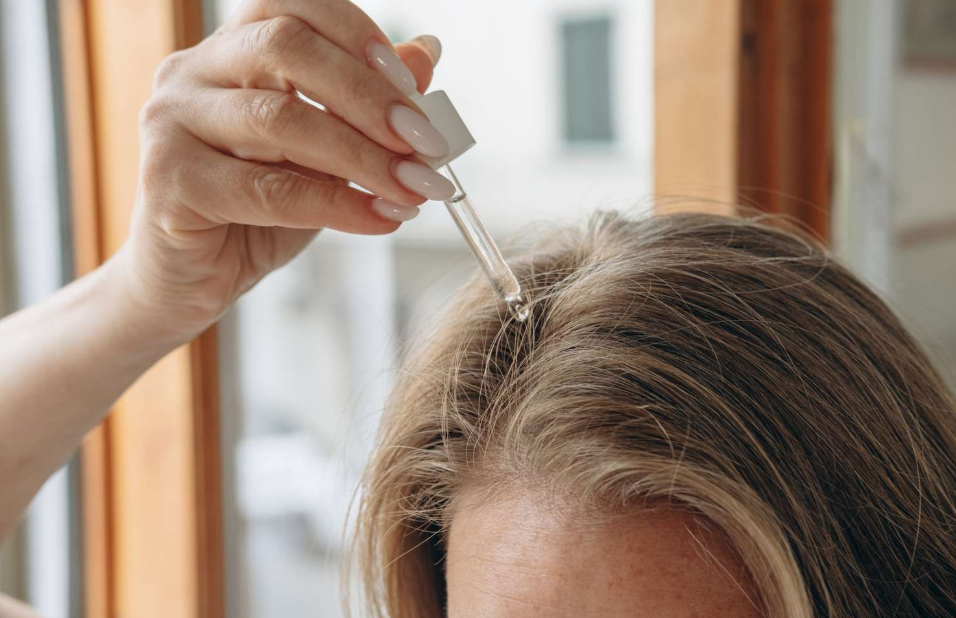
Because the causes are opposite in dry scalp and dandruff, the treatment will be different as well. While dandruff needs deep cleaning shampoo to remove any excess of oill and to remove any fungus, and on the other hand, dry scalp needs the opposite, it needs extra moisturizer. So, for that, you can use hydrating conditioners and natural hair oils. Natural hair oils are the best and most effective way to soothe your dry scalp, and they will stop the flakes from appearing on your scalp.
What causes dry scalp and causes hair loss?
A dry scalp usually doesn’t cause any hair loss on its own. However, you will notice that your hair is shedding, and that will usually be because of how you react to dryness. Let’s say your scalp is very itchy, and scratching it too hard can physically break your hair or damage the root. Because your scalp is dry, your hair snaps off easily as it lacks natural oils and becomes brittle.
Other factors can also lead to dry skin, which causes hair loss. Conditions like severe inflammation and scalp psoriasis also hurt the healthy hair follicles, which sometimes causes the scalp to get dry, and if you have a poor diet or high stress, it also causes the in hair thinning.
If you notice that you are losing too much of your hair and it does not stop, it as good idea to see a specialist, they will help you determine the main cause of shedding, whether it’s just the start of your permanent thinning or balding issue, or it’s just temporary.
What Are The Best Home Remedies for a Dry Scalp?
If you are looking for relief from a dry scalp at home, there are many home remedies that you can try at home, and many of the treatments will use the simple items that you might already have in your kitchen, while if a few items are missing, you can find them locally as well.
Before you start anything, let me be clear that it is very helpful to learn which remedies actually have scientific evidence showing that they will work, and this will also help you choose the most effective option for your symptoms of dry scalp.
Using one of these home remedies for dry scalp will actually help you soothe your scalp and will be the first step towards making your scalp feel healthier and more comfortable.
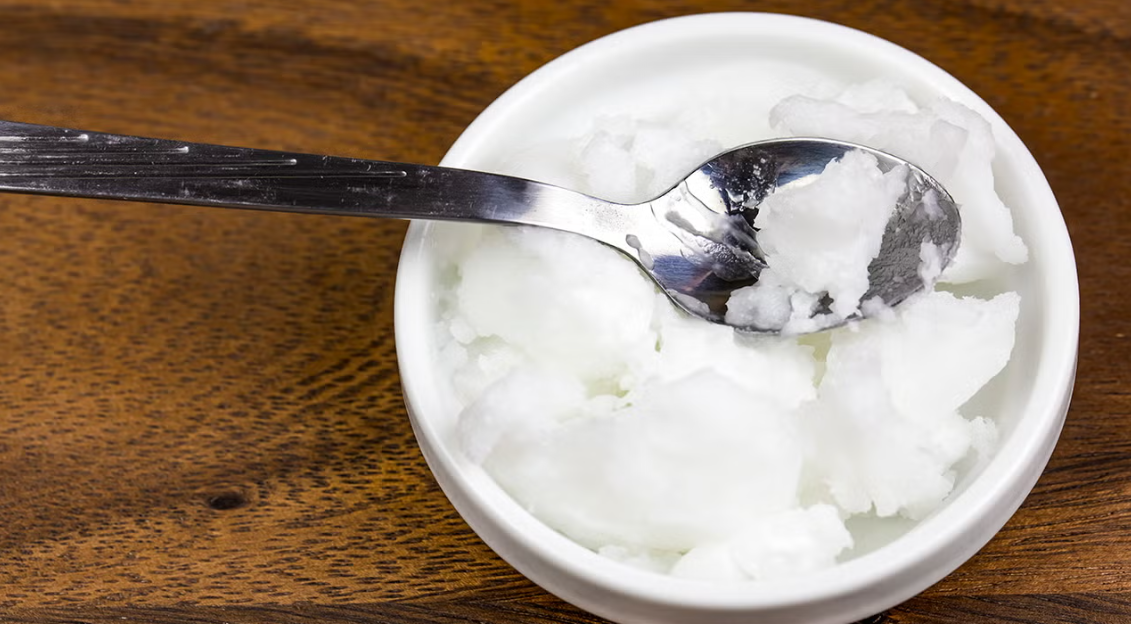
- Coconut oil: for many years, this has been the best remedy for dry scalp. Studies also show that coconut oil is excellent for moisturising, and unlike other oils, it will penetrate the hair shaft and the top layer of your skin. It will repair the skin barrier, which usually helps the dry scalp to hold moisture. Coconut oil also has mild anti-fungal properties that will help you as well if the flakes are caused by specific yeasts. Coconut oil is best for dry, flaky sclao hich is caused by harsh products or weather. How does it work? Apply on your scalp and massage well andlet it sit for 10 to 15 minutes, and then you can wash it off with any gentle shampoo
- Apple cider vinegar: most of the evidence shows that ACV is “ anecdotal which is based on people’s personal stories rather than any clinical trials. But we know that it has acidic properties, which will help in the balance of ph level of your dry scalp. How does it work? Mix 1 to 2 tablespoons into a normal cup of water and pour it on after shampooing your hair, and leave it for 5 minutes, and rinse it out.
- Aloe vera: It is also very soothing for your scalp, and it is often used to calm down any redness, itchiness, or irritation on your dry scalp. How does it work? You can apply directly to your dry scalp and let it sit for 10 minutes, and then you can shampoo.
- Baking soda and olive oil: olive oil has healing properties, and it will protect your skin, while baking soda is tough and it will fight against the bacteria, but baking soda is not very moisturising. How does it work? Mix olive oil and baking soda in equal quantities and create it like a scrub and rub it on your dry scalp, wait for 5 minutes, and then rinse it out.
- Yogurt and Eggs: This is a very old and traditional remedywhich is very popular in Palestine. That is very moisturizing and has a lot of protein, which is best for your dry scalp. How does it work? You need to mix them and apply them to your dry scalp and wash them out thoroughly.
Let’s wrap it up!
While most natural remedies are safe, you should be very careful before trying any of them. First, you need to understand the needs of your hair and then apply anything. Some ingredients can cause reactions if you are not careful.
Before you put any new remedy all over your head, you should apply on small part of your head and see how your skin reacts, and if you think you might be allergic to any of these ingredients, do not use it. If you see any redness, burning, or irritation after any of these treatments, stop using them immediately.

