1
How to Build a Skincare Routine for Oily Skin
Skin Care Guides

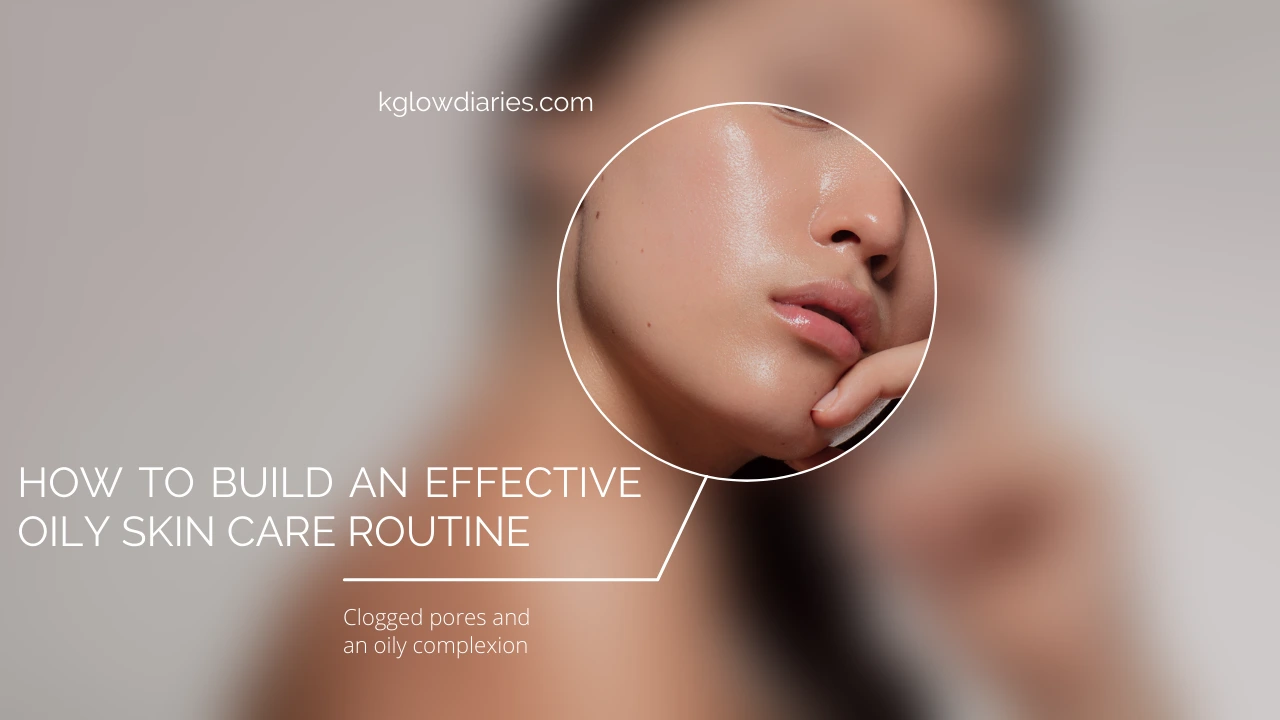
How to Build an Effective Oily Skin Care Routine

Here is a very simple truth you need to know: your oil skin type is perfect. Nothing is wrong with it if you care for it every day with a proper skin care routine, and yes, don’t forget to hydrate your skin. Understanding the unique needs of your skin can be quite challenging. Building a skin care routine for oily skin is more like a battle that you have to go through every day.

But choosing the right skincare for your skin is also not very tough nowadays. Before you start any skin care, you should now you skin type, and for that, you can check out my blog on How to identify your skin type at home by doing some simple steps.


Every skin type is unique in its own way, but having oily skin is the most common battle you have to fight every day. However, it’s not that complicated if you manage to establish a good skincare routine. But having oily skin is quite challenging. We all know that in oily skin, your skin is going to release sebum, which can cause a lot of problems. Excessive sebum, shininess, pore blockage, and breakouts are mostly associated with oily skin.

While every skin type change has its own characteristics, as for oily skin, one of the most common concerns is overactive sebaceous glands, which produce excessive sebum, which leads to shine, clogged pores, frequent breakouts, and enlarged pores, if you have a consistent evening and morning skincare routine, then this struggle will fade away, but not completely. 

What Is Oil Skin?

Typically, there is a difference between having oil on your skin and having oily skin. Sometimes you will notice that there is oil on your skin that happens due to weather or maybe fluctuating hormones, and most of the time it happens due to stress, which may be very common. But oily skin means having oil on your skin all day long.

Oily skin happens due to the release of sebaceous glands, which leads to an increase in oil production, and when this happens, you will see a lot of shine on your face, and this will cause clogging in your pores, which may also cause breakouts.

Combination skin also has one thing in common with oily skin: oil on the  T-zone of your skin, like the nose, forehead, and chin, but some parts of your face stay dry, like your cheeks.


What Is The Cause Of Oily Skin?

The primary cause of oily skin is genetics. This determines the size of oil glands and activity as well. These glands usually produce the natural oil, which is called sebum, and if you have a high quantity of these glands its more likely that you will have more oil on your skin, and your skin will appear more greasy.

On the other hand, hormones also play a major role in it, as spikes in androgens, which in simple words are released during puberty or when you are taking a lot of stress, these androgens will signal your body, and it will pump out, and you will see a lot of oil on your skin. 

After biological factors, oily skin can be seen due to your environment and habits, which can 

make the situation worse. Humid and hot weather may produce oil if you intend to use harsh soaps or skip moisturizer, which will actually trick your skin, and the you skin produces extra oil to protect itself from getting dry. 

Lifestyle factors like having a high stress level or a diet that is full of sugary food can trigger your hormones, which will shift, and that will lead to more shiny skin, and you will also experience potential breakouts.


Do I  Have Oily Skin?


To figure out if you have oily skin, you can perform a simple test at home known as the “bare-faced Test. First, you need to wash your face with any gentle cleanser, then pat your face dry and leave it completely bare. Don’t apply any cream, lotion, moisturizer, or serum for about an hour. After that, you can examine your skin in the mirror.

 If you see that your forehead, nose, cheeks, and chin feel greasy after touching and appear shiny, then you are most likely to have oily skin.

Is there any other quick method? Yes, you can try and find out by using blotting paperby pressing against different areas of your face.

If the blotting paper becomes saturated with oil whenever you put on any spot of your face, then its confirmed that you have oily skin and your sebaceous glands are highly active across your entire face.

How To Control Oil And Build a Skincare Routine for Oily Skin?

oily skin routine

Now that you know that you have oily skin, building a skincare routine for oily skin is more like finding the right balance. If you want to remove excessive grease and clear your pores without drying out your skin, which can actually cause it to produce even more oil.

Here is a very simple and easy skincare steps for an oily skin care routine that you can follow and manage to clean your oily skin:

Cleanse:

 Clean your skin twice a day, in the morning and at night, with a gentle and exfoliating cleanser. Look for the products that are rich in Salicylic Acid, which will clean your pores deeply. And to remove any glue that holds the dead skin and oil together, which will also help to remove any greasy residue from your skin.

Toner:

 After face wash, apply toner, which also contains alicylic, Glycolic, or Lactic Acid. These acids are good, which dissolve clogs that are deeply seated, and then they will smooth your skin texture, and you will start to feel that your pores will look smaller.

Targeted Treatment:

 Apply products that will help you to fix specific issues like acne. Benzoyl Peroxide is greatfor oily skin, which will help in killing bacteria that cause pimples, while Retinol is also greatfor your oily skin as it helps your skin cells renew faster to keep your pores clear and reduce oil over time.

Hydrate & Moisturize:

 Never skip this! As it is very important, you should use a lightweight, oil-free moisturizer twice a day, in the morning and at night. Which will help keep your skin hydrated, and it will also prevent it from “panicking” and pumping out any extra oil to protect itself from dryness.


Sun Protection: 

Use any sunscreens in the morning and after every 2 hours. Always finish your morning routine with a matte-finish sunscreen. This protects your skin from damage without adding extra shine or clogging your pores throughout the day.


Let’s wrap it up!


Managing oily skin may feel like you are having a constant battle, but you have to win, and it’s you, and you can win this, but with the right skincare approach.  Remember, having oily skin isn’t a flaw its just a simple skin type that needs specific care and love to stay fresh, balanced, and hydrated.

By sticking to your oily skincare routine of cleansing, treating, and hydrating, you will stop the excessive sebum and any breakouts that may even get started. The main key is to work with your skin with patience and love, not against it. Don’t be afraid of any moisturiser; you need to trust the process.


FAQ’s
1. “Skinminimalism” actually better for oily skin?

Yes, if you are using too many products, that will actually irritate your skin and that will trigger more oil. A “less is more” approach is better for your skin, and a gentle cleanser, one active treatment, and a light moisturizer are often more effective and will keep your skin calm and balanced.

2. Can I use Niacinamide or Hyaluronic Acid for oil control?

 You can use both as Niacinamide is superstart which will help in regulating oil production and shrinking pores, while on the other hand Hyaluronic Acid will hydrate your oily skin weightlessly. Niacinamide or Hyaluronic Acid, when you apply them together, will make your oily skin matte but will keep it healthy and plump.

3. How can I get “glass skin” without looking like a grease ball?
The secret is layering hydration, not oil. Using hydrating serums and toners, you will get that glow from within. But you need to lock with a matte finish moisturizer. This will give you a clear and shiny look on your cheekbones, but there will be no grease on your T-zone.

4. Can stress and diet really change? How much oil does my skin produce? 

Yes, high stress will release cortisol, which will tell your glands to make more oil, and the same goes for sugary food, they will cause insulin, which spikes that will trigger hormones that will produce oil. A balanced diet and good sleep are just as important as your creams.

Leave a Reply

Your email address will not be published. Required fields are marked *