
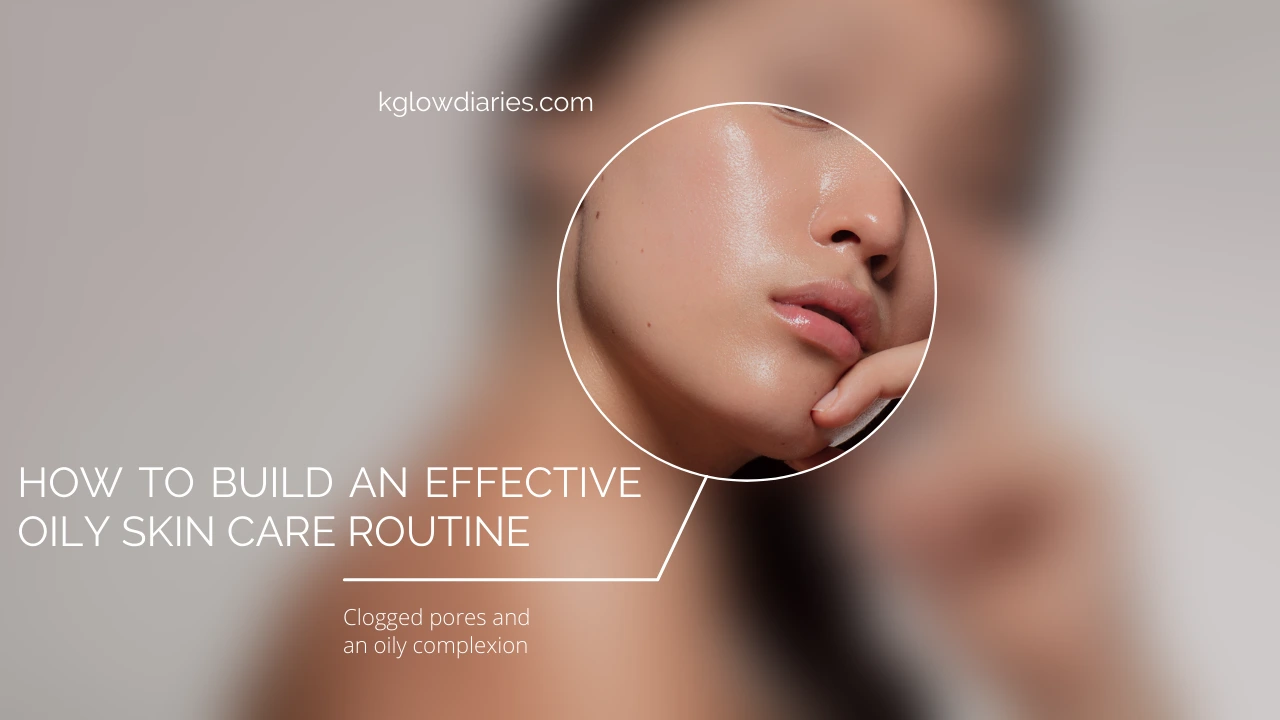
Oil on the skin is normal. Oily skin describes a tendency toward more surface oil; it is not a flaw or a diagnosis of acne. The goal is manageable, comfortable care rather than removing all oil or promising permanently matte skin.
Shine does not explain every breakout
Oil production is influenced by several factors, including hormones and genetics. A shiny face alone cannot tell you that you have a hormonal disorder, a dietary problem or highly active glands everywhere. A blotting sheet shows oil at that moment, not a definitive medical skin-type test.
Choose gentle cleansing
Use a cleanser that removes surface residue without causing persistent tightness or stinging. The AAD advises washing morning, evening and after exercise, while avoiding harsh scrubbing. Repeatedly washing whenever you see shine is not necessary. Follow the label if using a medicated cleanser.
Keep moisturizer in the routine
A light moisturizer may feel comfortable, particularly if an acne treatment causes dryness. “Oil-free” and “non-comedogenic” labels can help when choosing, but they do not guarantee that a product will suit everyone. Moisturizer does not switch off oil glands; claims that skin panics and necessarily produces compensatory oil are too simplistic.
Use suitable sun protection
For exposed skin outdoors, choose broad-spectrum, water-resistant SPF 30 or higher and combine it with shade and clothing. A matte finish is a texture preference, not a safety requirement. Reapply according to directions, generally every two hours outdoors and after swimming or sweating.
Treat a specific concern separately
Do not start an acid cleanser, acid toner, benzoyl peroxide and retinoid together simply because your skin is oily. Treatment depends on whether you have acne or another concern and on suitability. A pharmacist or clinician can help choose an option. Retinoids are unsuitable during pregnancy; ask for advice if planning pregnancy.
During the day
If you prefer to reduce shine, gently press a blotting paper against the oily area rather than rubbing. Avoid adding harsh alcohol-based products or abrasive scrubs to chase a squeaky-clean feeling. Having some shine later in the day does not mean your routine has failed.
Example of a manageable starting routine
Morning: gentle cleansing, a tolerable light moisturizer if needed, and sun protection. Evening: remove makeup appropriately, cleanse and moisturize. This is a starting framework, not an acne prescription. A toner, separate serum and “glass skin” layering routine are optional.
When to ask for help
Seek advice for persistent or painful acne, scarring, a sudden concerning change or products that repeatedly irritate your skin. Do not cut out broad food groups to control shine based on this article. No routine can promise to stop all sebum or prevent every breakout.
Sources
AAD: Oily skin care
NHS: Acne
AAD: Retinoids
Written by KGlow Writer. I am not a medical professional. This article provides general education and does not replace individualized professional advice. Last reviewed: October 9, 2026.

[…] certain. If you have skin that is actually shiny and prone to breakouts, you might find our guide on how to build a skin care routine for oily skin, which might be more helpful to […]
[…] Oily skin creates a lot of sebum, which is natural. If you walk too quickly, the cleanser will only slide over the surface; it will leave the oil and the dead skin inside your skin, and your pores will not be deeply clean. […]
[…] your skin type is in order to protect its barrier. You cannot use any product if you have dry skin, oily skin, or combination skin; you need to find out and use the proper products for […]
[…] the beauty of homemade skincare — it adapts to […]
[…] and end your day by washing your face with a gentle cleanser. Cleansing removes dirt, oil, and pollution that build up throughout the day and can suffocate your skin’s natural […]
[…] To learn more, check out my guides on how to identify your skin type and how to build a routine for oily skin […]
[…] To learn more, check out my guides on how to identify your skin type and how to build a routine for oily skin. […]