1
Hair Care Information

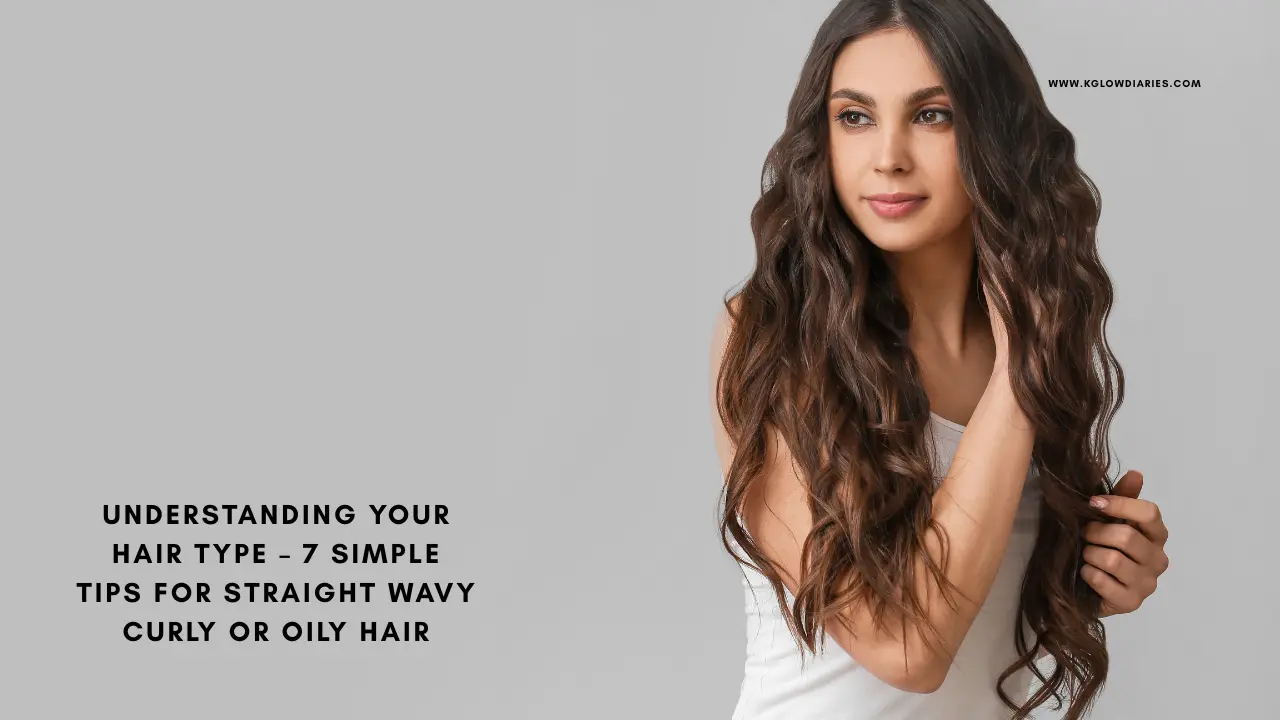
Understanding Your Hair Type – 7 Simple Tips for Straight Wavy Curly or Oily Hair

Understanding your hair type is something I wish I had done years ago — instead of guessing and wasting money on the wrong products.

Disclaimer: I am not a dermatologist, trichologist, or medical professional. This information is for educational and lifestyle purposes only and does not replace professional medical advice. If you have persistent scalp or hair concerns, please consult a qualified healthcare professional.

Hair can feel confusing, especially when it does not behave the same way every day.

Some days it looks smooth and fresh.
Other days, it feels greasy, dry, or hard to manage.

I have been through both. Standing in front of the mirror, wondering why my hair looked so different from day to day, even though I was using the same products.

You may try different products, but nothing feels fully right.
This usually happens when you are not sure about your hair type.

Understanding your hair type is not about making things complicated.
It is about noticing what your hair naturally does and what it needs.

For more hair care help, check out my guide on how to identify your hair type.


What Does Hair Type Really Mean

Hair type is the natural pattern and condition of your hair.

It includes how your hair falls, bends, or curls.
It also includes how your scalp behaves, like if it gets oily quickly.

I used to think hair type was just about looks — straight or curly. But I learned that scalp condition matters just as much.

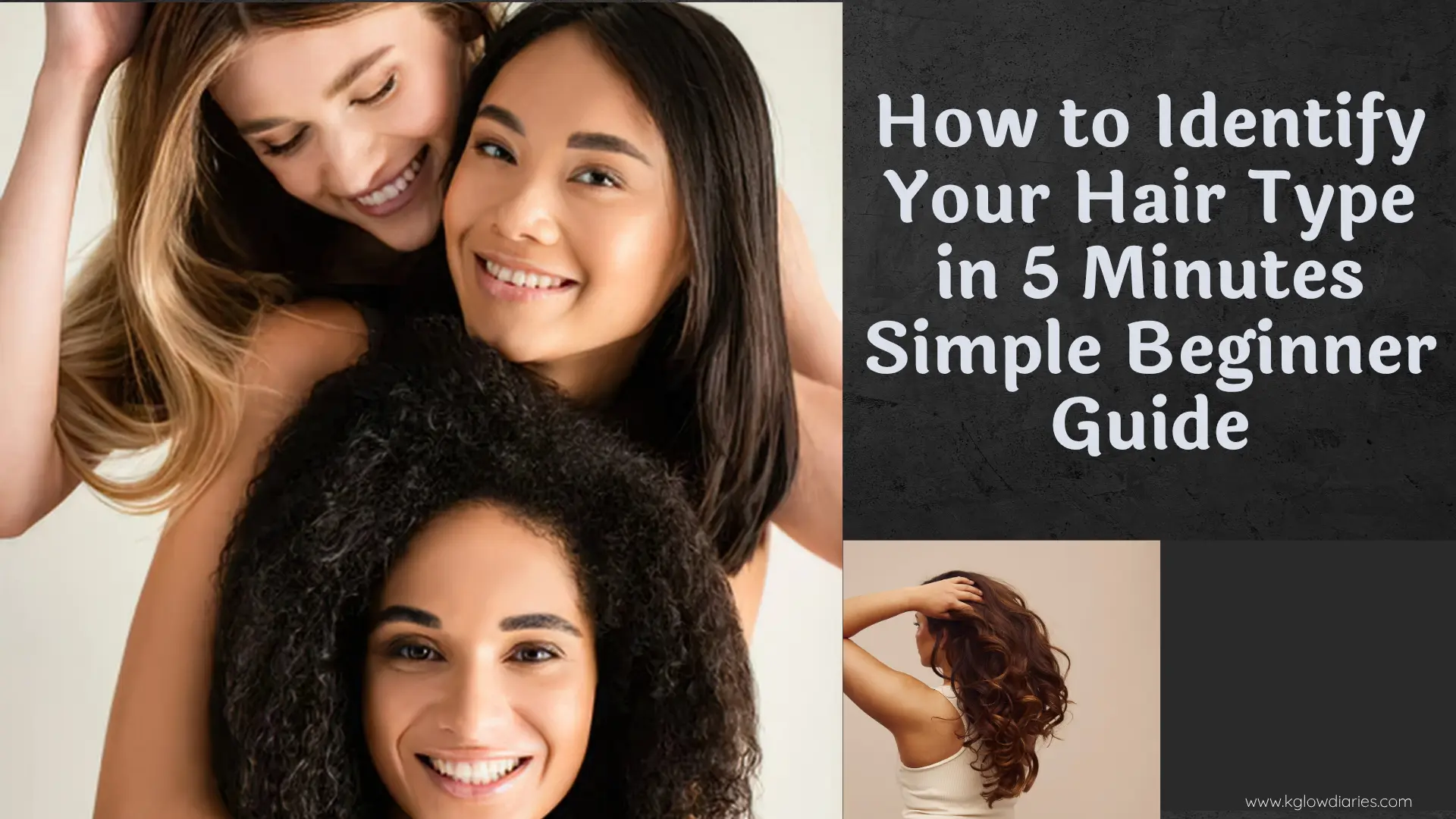
Some people have straight, wavy, or curly hair.
Some also notice their scalp becomes oily faster than others.

According to <a href=”https://www.healthline.com/health/beauty-skin-care/types-of-hair”>Healthline</a>, your hair type is primarily based on your hair’s curl pattern, but scalp condition (oily, dry, or combination) is equally important for choosing the right products.

Understanding your hair type helps you choose better care and avoid confusion.


Straight Hair

Straight hair falls flat from root to ends.

It often looks smooth and shiny because natural oils move easily through the hair.

But it can also feel oily quickly.

If your hair looks greasy within a day or two of washing, it may be straight with an oily tendency.

I have friends with straight hair who struggle with looking greasy by afternoon. The fix was not washing more — it was switching to lighter products.

Keeping your routine light usually works better for this type.


Wavy Hair

Wavy hair has soft bends, usually from the middle to the ends.

Some days it may look smooth, and other days slightly frizzy.

It sits between straight and curly.

This type needs balance.

Too much product can make it heavy, while too little can make it feel dry. I learned this with my own wavy hair — finding the right balance took time, but it was worth it.

<a href=”https://www.medicalnewstoday.com/articles/wavy-hair-care”>Medical News Today</a> notes that wavy hair benefits from lightweight products that enhance waves without weighing them down.


Curly Hair

Curly hair forms visible curls or ring shapes.

It often looks full and has natural volume.

At the same time, it can feel dry.

This happens because natural oils do not spread easily through curls. The <a href=”https://www.aad.org/public/everyday-care/hair-scalp-care/hair/curly-hair”>American Academy of Dermatology</a> explains that curly hair needs extra moisture because the natural oils from your scalp struggle to travel down the curly hair shaft.

Curly hair usually feels better when it gets enough moisture and gentle care.

For natural hair treatments, try my DIY hair mask for dry frizzy hair.


Oily Hair

Oily hair is more about how your scalp behaves.

If your hair feels greasy quickly after washing, your scalp may be producing more oil.

You may notice your roots look shiny or flat within a short time.

This does not mean your hair is unhealthy.

It just means your scalp needs a balanced routine.

Lightweight products and regular washing can help manage this. <a href=”https://www.mayoclinic.org/healthy-lifestyle/adult-health/expert-answers/oily-hair/faq-20058512″>Mayo Clinic</a> suggests that washing oily hair more frequently and using gentle, clarifying shampoos can help control excess oil.


How to Understand Your Hair Type at Home

This is the part I love because it is so simple — and it only takes a few minutes.

The easiest way to start understanding your hair type is to observe it naturally.

Wash your hair with a simple shampoo.

Do not apply heavy products after that.
Let your hair dry on its own.

Now look closely.

  • If it dries flat, it is straight.
  • If it forms soft bends, it is wavy.
  • If you see curls, it is curly.

Also notice your scalp.

If it becomes oily quickly, you may have oily hair.

Many people have a mix of types.
That is completely normal. I have wavy hair with an oily scalp — knowing this changed everything for me.

For a more detailed breakdown, here is my complete guide to hair types.


Simple Hair Care Tips for Every Type

The best approach is to keep your routine simple.

Straight hair usually needs light products.

Wavy hair needs a balance of moisture and light care.

Curly hair needs regular hydration.

Oily hair needs gentle cleansing and lightweight products.

Instead of following every trend, it helps to notice how your own hair reacts.


Common Mistakes to Avoid

I have made almost every mistake on this list, so do not feel bad if you have too.

One common mistake is treating all hair the same.
Every hair type needs different care.

Another mistake is using too many products.
This can make your hair feel heavy or greasy. I once used three different serums on my wavy hair — it looked like I had not washed it in days.

Ignoring your scalp is also a mistake.
Healthy hair often starts with a balanced scalp.

Trying to change your natural hair too much can also lead to damage.


FAQs

Can I have more than one hair type?

Yes, many people have mixed patterns. I have wavy hair with some straight pieces underneath — totally normal.

How do I know if my hair is oily?

If it becomes greasy quickly after washing, it may be oily. Pay attention to how your roots look by the end of day one.

Does hair type change over time?

The basic type stays the same, but care can affect how it feels. Hormones and age can also play a role.

Is frizz a hair type?

No, frizz can happen with any type. It is usually a sign of dryness or humidity.

Do I need special products for oily hair?

Lightweight and gentle products usually work well. Avoid heavy creams and oils near your scalp.


Here’s What I Think

Understanding your hair type makes hair care feel much easier.

It helps you choose what your hair actually needs instead of guessing.

You do not need a complicated routine.

Simple and consistent care works best.

Take a little time to observe your hair.
It will guide you better than any trend.

Remember — understanding your hair type is not about fitting into a box. It is about learning what your unique hair needs to feel its best.

Last updated: April 2026

Written by KGlow Writer

I’m not a dermatologist or medical professional. I research skincare, test simple routines, and share what I learn. This information is for educational purposes only. If you have persistent skin concerns, please consult a qualified professional.

Have a question? Contact me through my website.


Disclaimer: I am not a dermatologist or medical professional. This information is for educational and lifestyle purposes only and does not replace professional medical advice. If you have persistent skin concerns, please consult a qualified healthcare professional.


Leave a Reply (your existing comment form stays here

Leave a Reply

Your email address will not be published. Required fields are marked *