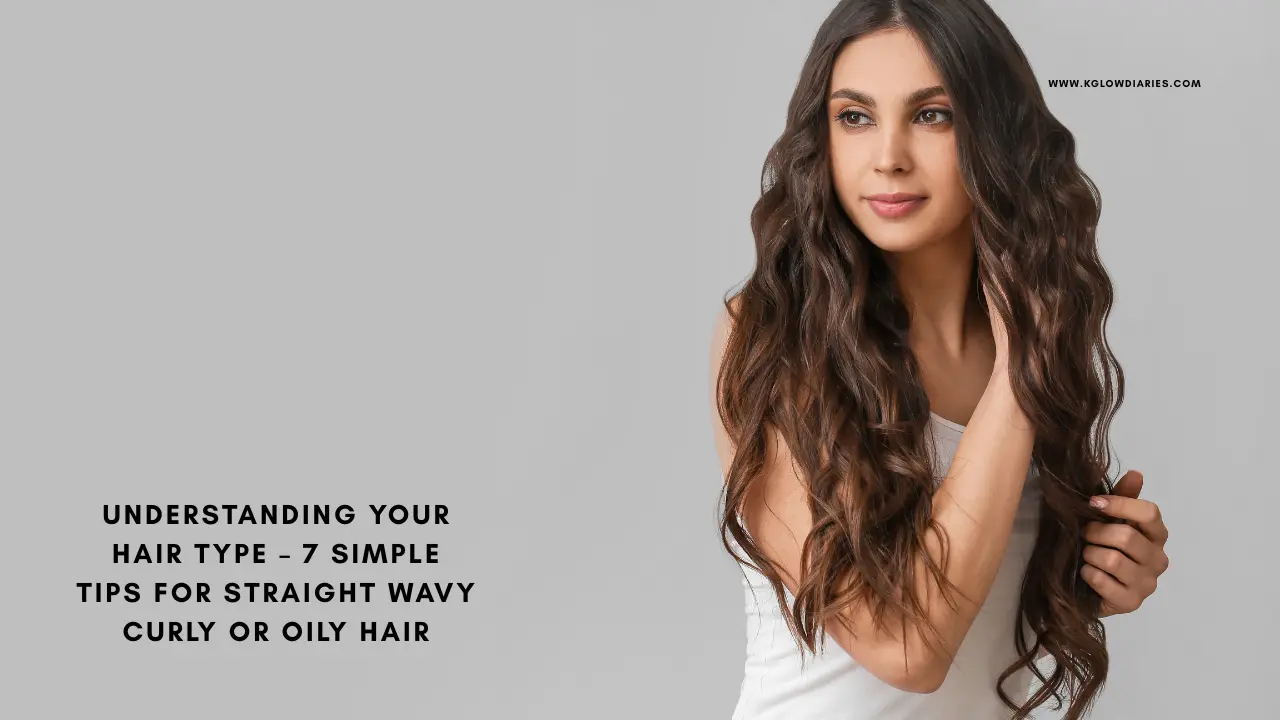
Your curl pattern and your scalp’s oiliness describe different things. Straight, wavy, curly and coily hair can all have oily roots or dry-feeling ends. This guide focuses on those mixed needs rather than repeating the hair-pattern identification guide.
Observe roots and ends separately
After a normal wash, notice when the scalp becomes oily and whether the lengths feel rough or tangle. Record what products went near the roots. Greasiness after a heavy cream is not proof of an underlying scalp problem. Dry ends also do not mean you should stop washing an oily scalp.
Cleanse where cleansing is needed
Choose washing frequency from oil, sweat and buildup. Work shampoo mainly onto the scalp, rinse well and avoid rough handling of the lengths. Follow any medicated shampoo’s label. A fixed once-weekly schedule may leave an oily scalp uncomfortable.
Condition without weighing roots down
Start with a small amount of conditioner on the lengths and ends, then adjust to your texture and product instructions. Fine hair may become heavy with too much leave-in product; tightly curled hair may need a different amount or detangling method. A curl label alone cannot select the perfect formula.
Check styling and friction
Repeated heat, bleaching, tight styles and rough brushing can affect the ends even when the roots are oily. Reduce the habit that seems to cause trouble before adding several repair products. A smoother feel from a conditioner is temporary cosmetic improvement, not permanent repair of split ends.
Change one variable
For example, keep your shampoo and wash schedule steady while using less leave-in near the roots. Note whether the scalp feels cleaner and whether the ends remain manageable. If you change shampoo, oil, mask and styling cream together, it is harder to know what helped.
Flakes are a separate question
An oily scalp can still flake. Do not assume that all flakes need extra moisturizer or oil. Persistent itching, redness or scale may need dandruff treatment or assessment. See the scalp-care guide.
Common questions
Can I be both oily and curly? Yes. Pattern and scalp condition are different characteristics.
Must I buy two complete routines? No. You may only need to change placement, amount or washing frequency.
Does frizz mean I damaged my hair? Not necessarily. Pattern, humidity, styling and damage can all influence appearance.
Sources
AAD: Healthy hair care
AAD: Scalp symptoms
Written by KGlow Writer. I am not a dermatologist or medical professional. This article is for general education and does not replace individualized care. Last reviewed: October 9, 2026.