A weekly plan can make hair care easier, but one wash day does not suit every scalp. Use this framework to organize washing, conditioning and styling around your needs. It replaces earlier food-mask, vinegar-rinse and essential-oil instructions, which were not established treatments for hair growth or scalp health.
Choose a wash schedule from your scalp
Notice oiliness, sweat, flakes and product buildup. Wash as often as your scalp needs rather than forcing a once-weekly schedule. Straight or oily hair may need more frequent washing; dry, textured hair often needs a different approach. Persistent itching or flakes may need a specific treatment, not more oil.
Wash day: three core steps
1. Cleanse the scalp with a shampoo you tolerate. Follow its label and rinse thoroughly. Sulfates are not automatically harmful, and sulfate-free is not a guarantee of gentleness. Do not mix fresh aloe or other food into a bottle: it changes the formula and preservation.
2. Apply conditioner where your hair needs it, usually the lengths and ends. Fine hair may need a smaller amount; dry or curly hair may need more coverage. Use a formulated mask only as directed. An egg or yogurt mixture is not equivalent to a formulated protein treatment and cannot permanently repair split ends.
3. Detangle gently using a method suited to your texture. Reduce towel rubbing and unnecessary heat. If using heat tools, follow their safety instructions and use a suitable heat-protection product; protection does not eliminate heat damage.
Where optional oil fits
Oil may change the feel of the lengths, but it is not necessary for everyone. If you already tolerate an oil, use a small amount and judge whether it makes washing or styling harder. Avoid heated oil, prolonged scalp application and ingredients that trigger allergy. Do not treat a scalp rash or hair loss with oil instead of seeking advice.
An adaptable weekly plan
At the start of the week, check when you last washed and how your scalp feels. Schedule your next wash accordingly. After each wash, condition and use a comfortable, low-tension style. Between washes, avoid repeatedly adding treatments over buildup. At the end of the week, note one thing that improved comfort and one thing that caused irritation or heaviness.
Example: if your roots are oily by day two but ends are dry, consider washing the scalp more often while conditioning the lengths. If hair is tightly curled and tangles, plan enough time for gentle detangling. Neither person needs the same Sunday oil-and-mask ritual.
What results mean
Softer feel after conditioning is different from new hair growth. Hair shaft damage cannot be fully reversed by a kitchen mask. Trimming removes split ends but does not speed growth at the root. The previous six-to-eight-week promise has been removed because outcomes depend on the problem and routine.
When a routine is not enough
Seek assessment for sudden shedding, bald patches, scalp pain, sores or persistent scale. Do not assume these are a lack of nourishment. Scalp massage can feel relaxing, but this guide does not claim it stimulates regrowth.
Related guides
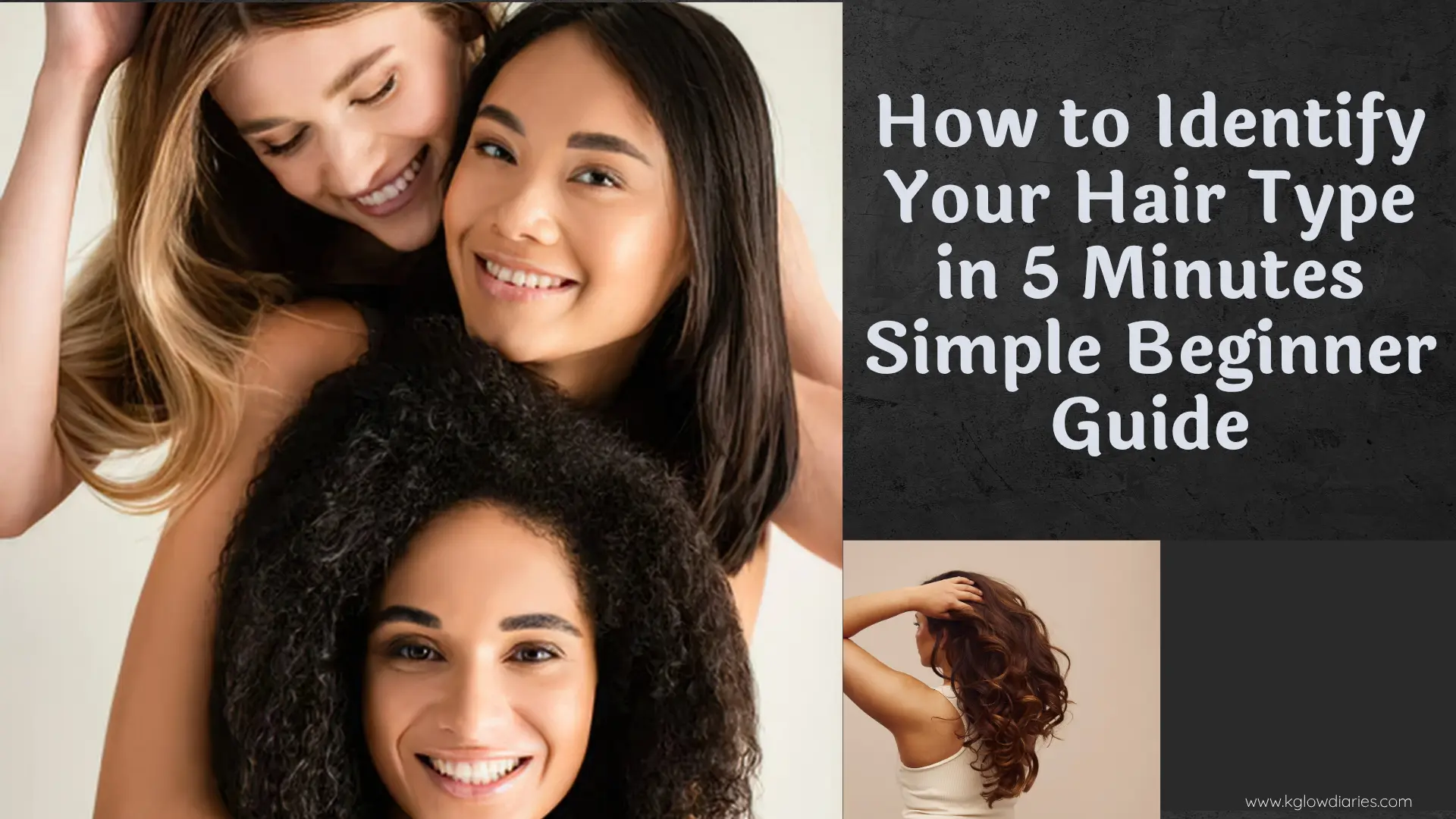
Use the hair-type observation guide to describe your hair, and the winter care guide for seasonal adjustments.
Sources
AAD: Tips for healthy hair
AAD: Managing hair loss
Written by KGlow Writer. I am not a dermatologist or medical professional. This article is for general education and does not replace individualized care. Last reviewed: October 9, 2026.