Life can get hectic, and often, our own passions and interests take a back seat to work, family, and daily responsibilities. I remember feeling like my days were a blur, constantly “doing” but rarely “creating” or “enjoying” anything purely for myself. That’s when I realized the importance of hobbies—not just as a pastime, but as a way to recharge, express myself, and cultivate joy.
Disclaimer: I am not a mental health professional or therapist. This information is for educational and lifestyle purposes only and does not replace professional mental health advice. If you are experiencing persistent stress, anxiety, or other mental health concerns, please consult a qualified professional.
Creativity doesn’t require a studio or expensive tools. It starts with curiosity, small experiments, and permitting yourself to play. Over time, incorporating hobbies into my daily life transformed not just how I spent my time, but how I felt—more energized, fulfilled, and calm.
Why Hobbies and Creativity Matter
Hobbies are more than just fun—they’re essential for mental and emotional wellbeing. Engaging in a hobby can help reduce stress, increase happiness, and support brain function. Creativity allows you to express emotions that words sometimes cannot. It doesn’t matter if you’re painting, writing, or arranging flowers; the act of creating reconnects you with yourself.
Even a few minutes a day can make a difference. It’s not about mastering a skill immediately—it’s about enjoying the process and letting your imagination roam freely.
Hobby Ideas for Women at Home
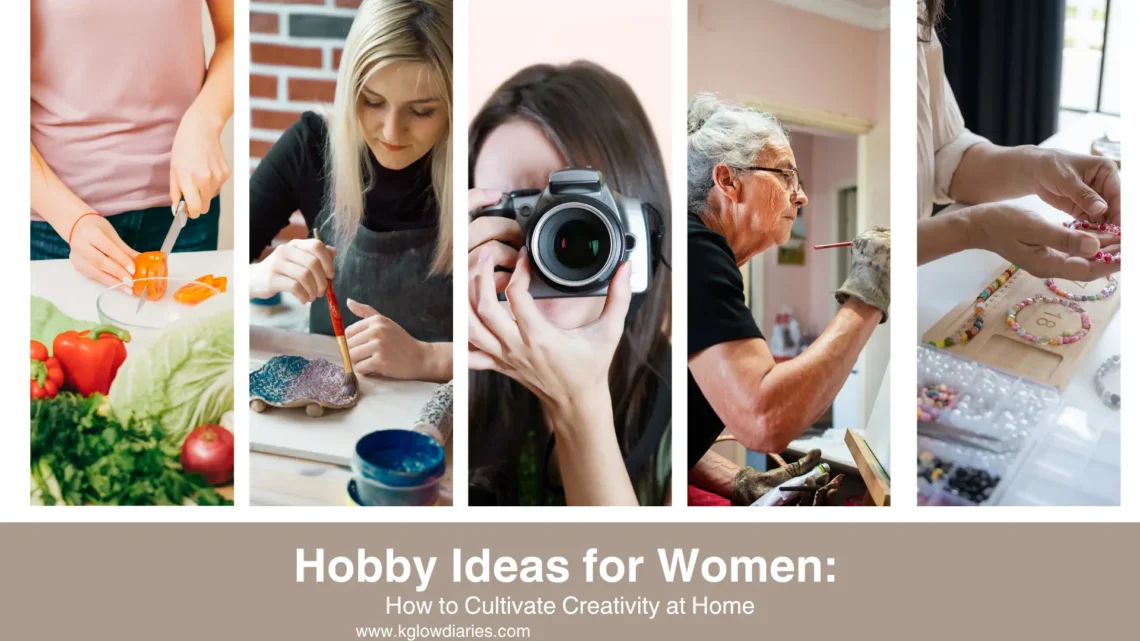
Some of the hobbies I’ve explored have become integral to my self-care routine. For instance, I started with journaling, which helped me process my thoughts and emotions. Soon, I was exploring painting, trying new recipes, and even learning calligraphy. Each hobby brought a new sense of accomplishment and joy.
If you’re wondering where to start, here are some ideas that are both accessible and rewarding:
- Journaling and Creative Writing
Writing can be incredibly therapeutic. Even ten minutes of free writing a day helps organize thoughts, reduce stress, and spark creativity. I often use prompts, such as “what inspires me today?” or “a small win I’m proud of,” to get started. - DIY and Craft Projects
From making handmade candles to simple home decor, crafting allows for tactile creativity. I enjoy experimenting with inexpensive supplies, and even failed attempts become a fun learning experience. - Cooking and Baking
Trying new recipes is both practical and creative. I like to experiment with flavors and plating, which turns a daily chore into an artistic outlet. It’s also rewarding to share the results with friends or family. - Art and Painting
You don’t need to be a professional to enjoy painting. Using watercolors, acrylics, or even digital art apps, I found it freeing to create without worrying about perfection. The goal is expression, not mastery. - Music and Dance
Playing an instrument, singing, or dancing at home can be incredibly joyful. Even if I have only ten minutes, putting on music and moving to the rhythm resets my mood and sparks creativity.
Cultivating Creativity at Home
Beyond picking a hobby, cultivating creativity requires a mindset shift. I had to permit myself to experiment, make mistakes, and enjoy the process without judgment. Some strategies that helped me include:
- Creating a dedicated space: Even a small corner with a notebook, art supplies, or musical instrument invites creativity.
- Setting aside time: Scheduling 15–30 minutes daily ensures consistency. It’s amazing how small, repeated efforts build momentum.
- Embracing curiosity: Trying new things without worrying about perfection often leads to the most fun and surprising discoveries.
- Combining hobbies: I sometimes journal about my cooking experiments or illustrate stories from my day. Mixing hobbies amplifies creativity.
The key is to make creativity a habit, not a one-time activity. Over time, these small moments of expression become an integral part of your identity and well-being.
The Benefits I’ve Experienced
Integrating hobbies into my life brought unexpected benefits. I feel calmer, more focused, and happier. I notice small joys more easily, like the way sunlight hits the kitchen table or the texture of paint on paper. Creative activities also boost problem-solving skills and spark inspiration in other areas of life, like work or personal projects.
Even when life gets busy, hobbies provide a sanctuary—a place where I can reconnect with myself, recharge, and enjoy pure, unpressured pleasure.
Practical Tips for Getting Started
You don’t need expensive supplies or hours of free time. Start small. Choose one hobby that intrigues you and dedicate 10–15 minutes daily. Keep a small journal or sketchpad nearby, experiment with simple DIY projects, or try a new recipe each week. The goal isn’t perfection—it’s engagement, fun, and self-expression.
Mindful engagement is key. When you’re fully present in your creative activity, you’re practicing a form of meditation. Every brushstroke, written word, or musical note anchors you in the present moment and brings fulfillment that no multitasking can match.
Disclaimer: I am not a mental health professional or therapist. This information is for educational and lifestyle purposes only and does not replace professional mental health advice. If you are experiencing persistent stress, anxiety, or other mental health concerns, please consult a qualified professional.
Last updated: April 2026
Written by KGlow Writer
I’m not a mental health professional. I research wellness topics, test creative practices, and share what I learn. This information is for educational and lifestyle purposes only. If you have mental health concerns, please consult a qualified professional.
Have a question? Contact me through my website.
For more wellness inspiration, check out my guides on weekly self-care routines and mindful eating.
Leave a Reply (your existing comment form stays here)