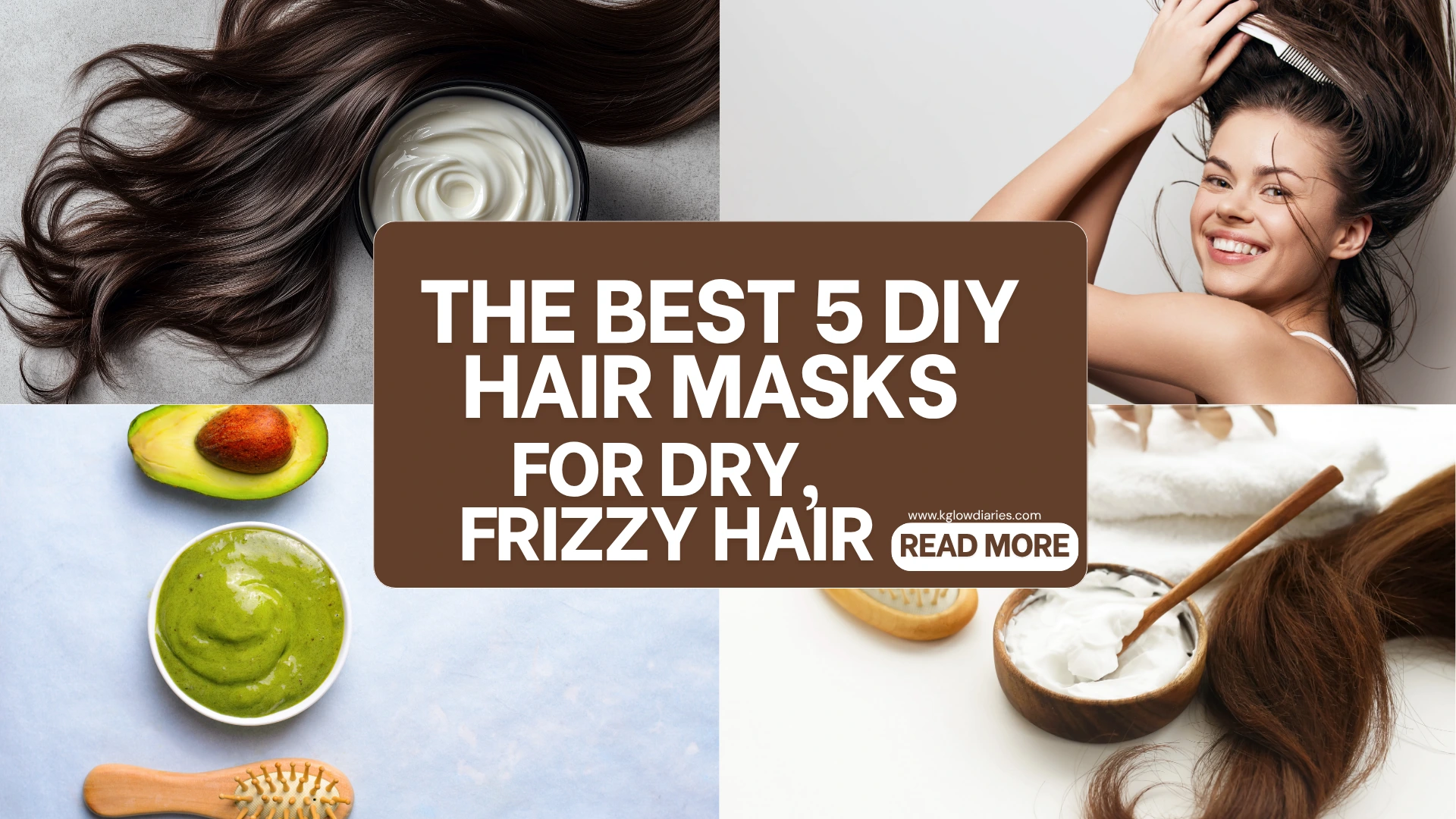
Kitchen hair masks are popular, but a softer feel after rinsing does not prove repair or growth. This article reviews five common mixtures and explains why the earlier transformation claims and multi-mask weekly schedule were removed. The recipes are not recommended as treatments for hair loss or scalp conditions.
1. Coconut oil and honey
Oil can change hair’s feel, and coconut oil has been studied for hair-shaft effects. That does not establish that adding kitchen honey improves the result. Sticky mixtures can be difficult to rinse, and either ingredient may be unsuitable for an individual. A tolerated conditioner is a more predictable starting point for manageability.
2. Yogurt and raw egg
Food protein is not interchangeable with a formulated hair treatment. The earlier claim that this mixture strengthens weak strands or reduces breakage over a few weeks was not substantiated. Raw egg also introduces avoidable handling and allergy concerns. Avoid applying food to an irritated scalp.
3. Avocado and olive oil
A creamy texture does not prove that vitamins enter hair and repair damage. Oils may coat the shaft and change its appearance temporarily. This is different from reversing bleach, sun or heat damage. A rinse-out conditioner or labeled mask allows you to follow tested product instructions rather than guess a food ratio.
4. Banana, honey and almond oil
Potassium in a banana does not establish an anti-frizz effect when applied to hair. Food pieces may be hard to remove, and almond allergy matters. Humidity, texture, damage and styling affect frizz; a banana mask is not a reliable quick fix.
5. Aloe and coconut water
Aloe-containing cosmetic products and fresh plant mixtures are different preparations. The claim that aloe enzymes strengthen strands was not supported here. A sensitive or painful scalp needs an explanation; experimenting with plants is not a substitute for care.
Build a simpler alternative
First identify the problem: tangling, a dry feel, oily roots, breakage or scalp discomfort. For tangling and dry lengths, start with a conditioner after washing and gentle detangling. For repeated breakage, reduce tight styles, heat and harsh handling. For scalp symptoms, seek advice rather than adding masks.
Change one step at a time and write down the product, date and response. Follow a formulated mask’s instructions, including where to apply it and how long to leave it. More frequent use does not necessarily help. Avoid heating oils or leaving an irritating product on overnight.
Questions to ask before trying any mask
What outcome am I expecting? Is the claim about temporary softness or permanent repair? Is the evidence about this exact product or just one ingredient? Do I have an allergy? Can I wash it out comfortably? Those questions are more useful than a “chemical-free” label: all ingredients, including foods, are made of chemicals.
Storage and warning signs
This guide does not assign a safe shelf life to homemade mixtures. Refrigeration and smell cannot validate preservation. Stop if you develop burning, itching or a rash. Persistent shedding, patches of loss or scalp sores deserve professional assessment.
Sources
AAD: Tips for healthy hair
AAD: Hair-loss care tips
Written by KGlow Writer. I am not a dermatologist or medical professional. This article is for general education and does not replace individualized care. Last reviewed: October 9, 2026.