
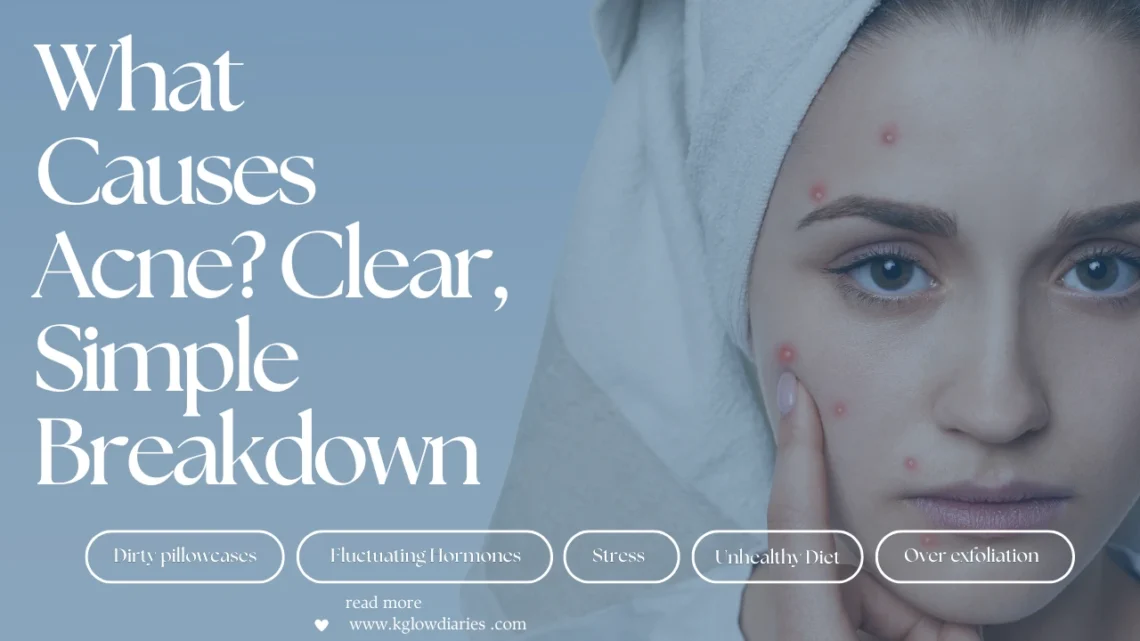
Before you dive into what causes the acne? Let’s have a look at what it really is. Acne is a widespread condition that many people have to face, and it is due to hair follicles and can cause your skin to become clogged. Oil, which helps your skin from drying out, and the dead skin cells, which plug the pores, will lead to a breakout of lesions, which are commonly known as pimples or zits.
These breakouts mostly pop up on your face, but they are more likely to appear on your chest, shoulders, and even on your back. Acne is basically an inflammatory disorder that affects oil glands, and when they come into contact with the hair follicle, which contains fine hair.
What are the types of acne?
Acne is caused by many different kinds of pimples or spots. “Comedones” is the common word used by the doctor to describe hair follicles that are blocked or swollen due to oil and dead skin cells. Depending on how your pores are clogged, these breakouts can manifest as different types of acne.
- Blackheads: the blocked pores that stay open when they reach the surface. The inside changes its color, that’s why it looks black when it comes into contact with air. If you think it’s black due to dirt.
- Whiteheads: they are hair follicles that get blocked, but they stay closed under the surface of your skin, and because they are closed off from air, they form small white bumps.
- Cystic acne: this type is most severe because it is deep, painful, and filled with pus. They usually have more time to heal and are larger than the normal ones.
- Pustules: these pimples are like papules; they are filled with pus, usually in white or yellow color, and the skin around them makes a red base, which creates irritation on the skin.
- Nodules: they are hard and large lumps that will grow deep under your skin. They are very painful and will make you feel like solid bumps rather than a soft pimple.
- Papules: They are small pink bumps that will appear on your skin and make you feel sore when you come into contact with them. They usually happen when your skin pores are blocked, you will see red swollen, but they don’t have a white head yet.
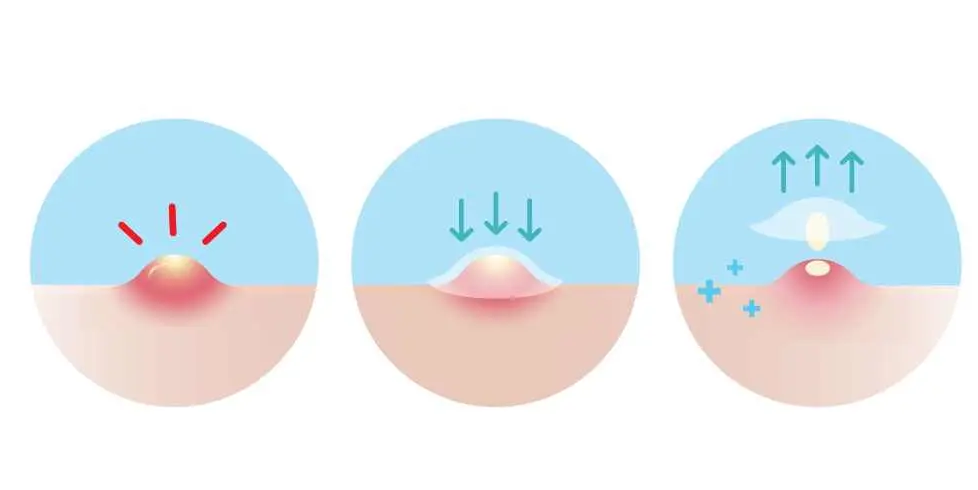
What develops acne?
Acne usually appears on your skin when your skin starts to produce excessive oil, which will lead to clogged pores, and may be accompanied by bacteria, and may be some hormonal change due to the menstrual cycle or stress.
Your skin changes as you grow older, but your family history may also have some link with your acne. Many people get acne because it runs in their family, or in simple terms, if your parents have bad acne, you may be more likely to have it too.
Sometimes things around you can also get your skin in worse condition, and when you start to use some skincare products, or have more sugar in your diet, or maybe due to pollution, stress, and medicines, it can also lead to skin problems or may lead to acne.
What causes acne, and what are the various acne triggers?
Let me clear some things. There is a difference between Acne and the trigger of a breakout. So here is the thing: when acne strikes, it will usually be due to overproduction of oil and the waxy substance that usually lubricates your skin and protects it.
When there is a lot of oil, or you may call it sebum, collected on your dead skin cells, and when they get together, you will notice that these will plug your skin pores, and they will block hair follicles, and sebaceous (oil) glands will make the breeding grounds, and then bacteria start to grow. This will produce the local blemishes, blackheads, and whiteheads, which can be associated with acne.
Now let’s talk about what triggers these conditions, and probably of more interest to you as an acne sufferer, let’s have a look at some conditions that an adult suspects which can trigger the acne, and you can follow the steps to minimize the effects of the breakouts.
- Hormone change: the level of hormone change during your teen years, menopause, or pregnancy. These changes take months to shift. That’s the reason for your acne.
- Hygiene product: Hormones may start your acne, but products make it worse. To stay safe, you should look for the products that are oil-free or non-comedogenic, as these products are less likely to give you any acne/breakouts.
- Medication: steroids or hormone treatments can cause breakouts/ acne. Sometimes these medications can cause serious skin problems.
- Genetic Tendencies: If any of your relatives or your parents have acne, the only way to prevent this is by starting a good skincare routine or just starting the gentle skincare routine.
- Medical condition: health issues are also one of the main causes of acne. PCOS causes serious acne that is very hard to treat. A deeper health problem is caused by the breakout, for which you need to see the doctor.
- Stress: if you are really stressed out, then it is more likely that you are going to have acne, and this happens due to the hormones that your body triggers and that produce oil. That is the reason why most people tend to have a breakout during their difficult or busy times.
What are the most common areas affected by acne?
The most common places where you will notice acne are on your T-zone, forehead, chin, and nose. These are the areas that will have many oil glands, which is the primary cause. These glands produce too much oil, which blocks your pores easily and produces acne.
You may also notice breakouts on your cheeks or maybe along your hairline. This is often acne causes triggers like oily hair products or dirty pillowcases, which you might rub against your skin while you are asleep.
Many people also notice spots on their jawlines. This is more likely to affect hormonal acne; it can only cause shaving irritation or may be due to friction from clothing. If you know these locations, this may help you find the best treatment for your skin in order to get rid of acne and have flawless skin.
How can I treat acne at home?
By following a simple daily skin care routine, you can find a solution to your acne skin and you will see improvement in your skin.
- Try to wash your face with a gentle organic soap at least twice a day. Make sure it’s not blocking your skin pores.
- Apply sunscreen every day if you have sun exposure, as it will protect your skin from any harmful UV rays and prevent any kind of redness or skin marks that do not look good.
- You need to be very gentle with your skin; do not use any harsh products or scrub too hard, as this leads to irritation.
- Benzoyl peroxide or salicylic acid, try to use products that contain these kinds of ingredients, which will help you clean properly.
- If you have oily skin, you should use a moisturizer that will help your skin to stay hydrated.
Let’s wrap up!
Okay, so dealing with acne is frustrating, we all know that, but it can be treated. Some believe that it’s a form of face mapping, but according to science, acne is due to oil and bacteria. You need to understand your hormonal acne info, and also you need to manage your daily habits, which will help you get your skin clearer and cleaner.
Patience is the key because our skin takes time to heal. To avoid common acne, you should start with a simple skin care routine. Just focus on the cause of acne, and you will start to see what the best skincare is that you need to follow to maintain the balance of your skin.
If you have any very painful breakouts and they are leaving scary scars, then you should consult a doctor. They will help you to find the main cause of the acne and will create a plan according to your skin type.



its a great value content
GOOD INFORMATION