

Anyone can experience the dull skin phase, especially during the winter season. Winter is very dry, and it becomes hard to maintain your glow, keep your skin hydrated, and make it look healthy. Even if you do not make changes in your daily routine, certain factors can still make your skin look tired and flat.
Disclaimer: I am not a doctor or dermatologist. This information is for educational purposes only and does not replace professional medical advice. If you have persistent skin concerns, please consult a qualified healthcare professional.
Changes in texture or appearance can have different causes. Gentle care may help with dryness, but a blog cannot identify the cause of a new or persistent change. This guide explains common possibilities without promising a glow.
What Is Dull Skin?
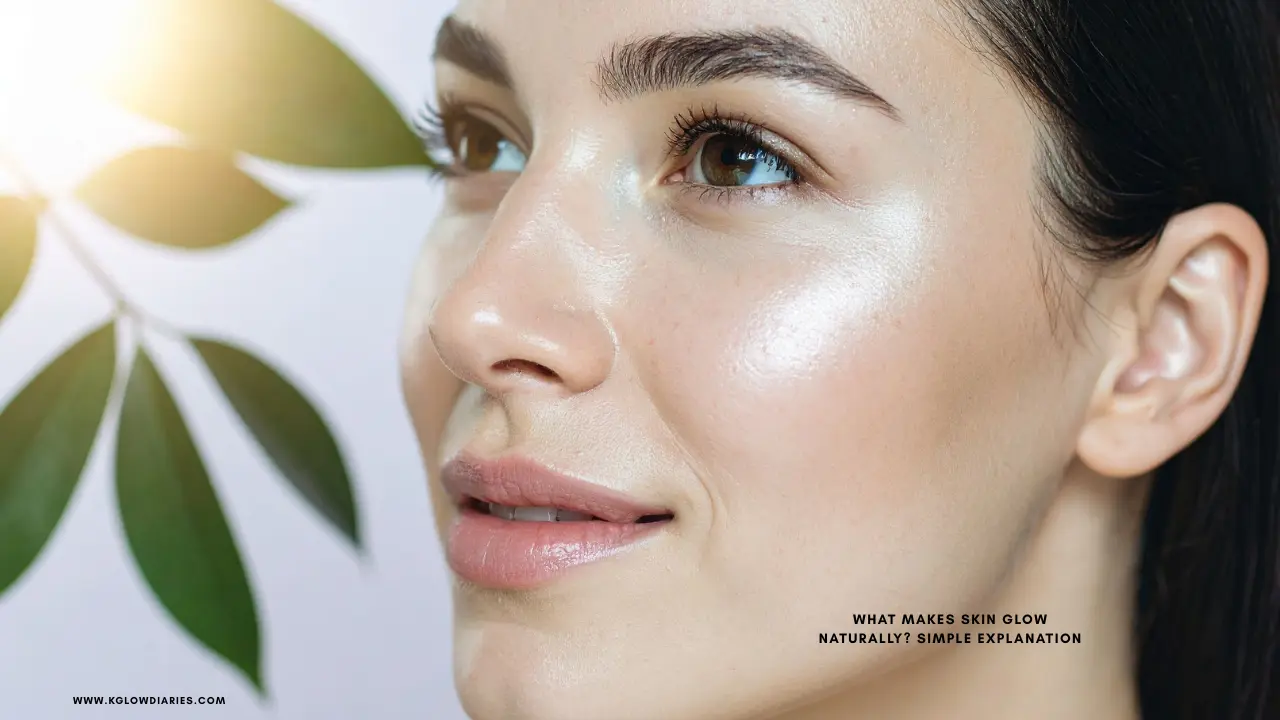
Dull skin means your skin has lost its natural glow and no longer reflects light well. Your skin may not look as bright or healthy as usual, and the overall appearance of your face can look flat, tired, or even slightly gray. You may also notice that your skin feels rough or bumpy to the touch. Dryness, flaky patches, and uneven texture are common signs. Essentially, dull skin is a complexion that lacks its usual radiance and looks uneven instead of smooth.
What are the causes of dull skin on the face?
Dull skin causes are different; first of all, it depends on your skin type. Dullness can show up in different ways. In general, skin looks dull when it lacks radiance and the ability to reflect surrounding light. A muted complexion can appear patchy, ashy, or darker, and the texture may feel rough and uneven. Dull skin does not have just one cause. It can be triggered by internal factors, external damage, or daily habits. Understanding these causes is the first step to fixing dull skin.
Ageing
As we age, collagen and elastin production naturally slow down. This leads to thinner skin, fine lines, wrinkles, and a loss of natural plumpness, making the skin look less healthy and less radiant.
Buildup of Dead Skin Cells
Your skin constantly renews itself by shedding old cells every day. However, these dead skin cells do not always fall off on their own. When they build up on the surface of your skin, they create a dull, gray appearance.
Surface flaking can affect appearance, but it does not automatically mean you need exfoliation. Exfoliation is optional and can worsen irritation. Do not scrub dry, inflamed or broken skin.
Environmental Factors
Your skin is your body’s shield, and it is constantly exposed to outside elements such as dirt, pollution, and sun damage from UV rays. Environmental factors can create free radicals, which may damage collagen over time and weaken the skin. As a result, the skin becomes less firm and looks dull. Using a gentle face wash twice a day helps remove dirt and pollution that builds up when you go outside.
Dehydration
Dry skin and whole-body dehydration are different. Skin appearance alone cannot diagnose dehydration. A suitable moisturizer can help dryness; drinking extra water is not a guaranteed fix for texture or tone.
Lack of Sleep
Sleep supports general wellbeing, but a tired appearance is not a reliable measure of sleep quality or health. Seek advice for persistent sleep problems rather than treating them only as a cosmetic issue.
Not Removing Makeup
Remove makeup gently before bed. Skin does not breathe through its pores, and cleansing does not detox it. Irritation or breakouts can have several causes.

How Can You Prevent Dull Skin?
To prevent dull skin, you need to protect your skin both from the inside and the outside. Building a good skincare routine along with healthy habits can make your skin look brighter, healthier, and more radiant.
Daily Skincare Habits
Start and end your day by washing your face with a gentle cleanser. Cleansing removes dirt, oil, and pollution that build up throughout the day and can suffocate your skin’s natural brightness.
Apply a moisturizer twice a day, in the morning and at night. This keeps your skin plump and prevents dryness or an ashy appearance. If you are going outside, always wear sunscreen. Sunscreen protects your skin from UV rays that damage collagen and cause future dullness. Even on cloudy days, SPF is essential.
Weekly Maintenance
Exfoliation is optional. Avoid using multiple exfoliants or adopting a fixed weekly schedule regardless of irritation. Follow the product directions and get advice if your skin is sensitive or you use prescription treatments.
Lifestyle Choices
Drink according to your needs and eat a varied diet for general health. No specific food or extra water intake guarantees brighter skin.
Prioritize sleep and aim for 7 to 9 hours each night. Proper sleep allows your skin cells to renew, helping your skin look fresh, healthy, and glowing.
Ingredients That Help Brighten and Hydrate Skin
If you want to improve dull skin, look for products with effective ingredients:
- Vitamin C: A powerful antioxidant that helps brighten the skin and protect it from environmental damage.
- Hyaluronic Acid: Acts like a sponge by holding moisture in the skin, keeping it hydrated and plump.
- Niacinamide: Helps even out skin tone and strengthen the skin barrier.
Best Skincare Routine for Dull Skin
To fix dull skin, your routine should focus on three main things: removing dead skin cells, hydrating the skin, and protecting it from the sun.
Morning Skincare Routine
The goal of a morning routine is to wake up your skin and protect it from environmental damage.
- Gentle Cleanser: Wash your face with a mild cleanser to remove sweat and oil from the night without stripping natural moisture.
- Serum: Use a vitamin C serum to brighten your skin tone and protect against pollution.
- Moisturizer: Apply a lightweight moisturizer with hyaluronic acid to keep your skin plump and hydrated throughout the day.
- Sunscreen: Never skip sunscreen. Use at least SPF 30 daily to prevent sun damage that causes dullness and early aging.
Night Skincare Routine
At night, the goal is to remove dirt and help your skin repair itself.
- Double Cleanse: If you wear makeup or sunscreen, cleanse first with an oil-based cleanser, then follow with a regular face wash.
- Exfoliation: An exfoliant is optional and may be unsuitable for irritated skin. Follow its directions; do not combine exfoliants or adopt a fixed frequency for every skin type.
- Treatment or Serum: Use a serum with niacinamide to improve skin texture, or choose a hydrating serum.
- Night Moisturizer: Apply a slightly thicker moisturizer at night. Night creams with ceramides help repair the skin barrier while you sleep.
Ready to Glow?
You cannot determine the cause of a skin change from “dullness” alone. Start with tolerable basic care rather than adding several brightening products. Seek assessment for persistent symptoms or a new, changing, bleeding or non-healing lesion.
Disclaimer: I am not a doctor or dermatologist. This information is for educational purposes only and does not replace professional medical advice. If you have persistent skin concerns, please consult a qualified healthcare professional.
Sources
AAD: Dry skin care
AAD: Safe exfoliation
Written by KGlow Writer. I am not a medical professional. This article provides general education and does not replace individualized professional advice. Last reviewed: October 9, 2026.



Amazing!!
Keep it up.
[…] or constantly swap your products, your skin’s natural barrier will become stressed leading to dullness or uneven skin tone textures and will frequently break […]
[…] part that does the physical work. It softly buffs away the layer of dead skin cells that makes your skin look dull. What I love about sugar is that it doesn’t feel harsh when used gently. As you massage it in, […]
[…] mornings it felt dull. Other days it felt dry and sensitive. And sometimes, especially after long weeks, it just […]
[…] of your skin. Over time, those dead cells build up. When they sit there too long, your skin can look dull, feel rough, and even develop clogged […]