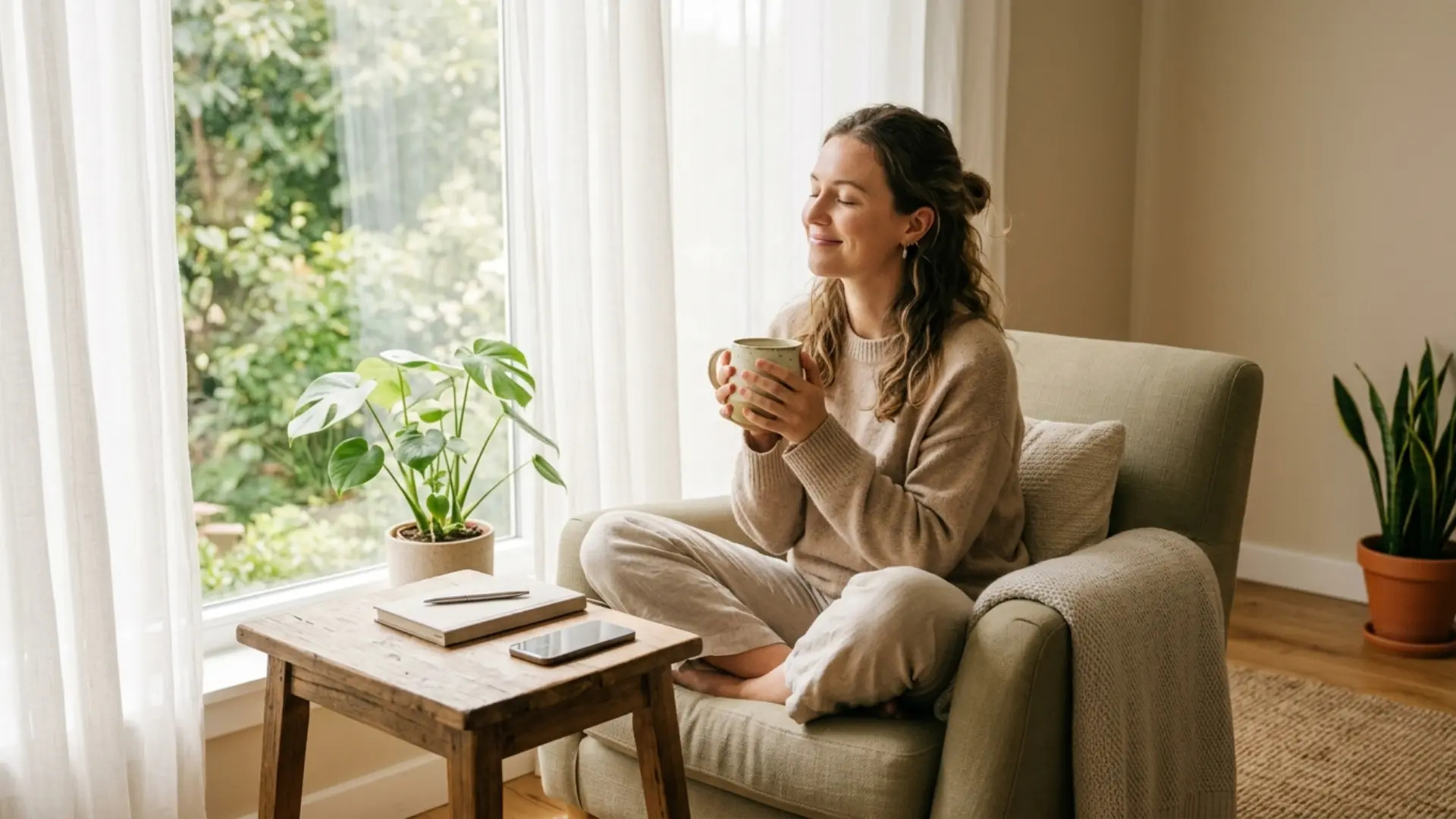
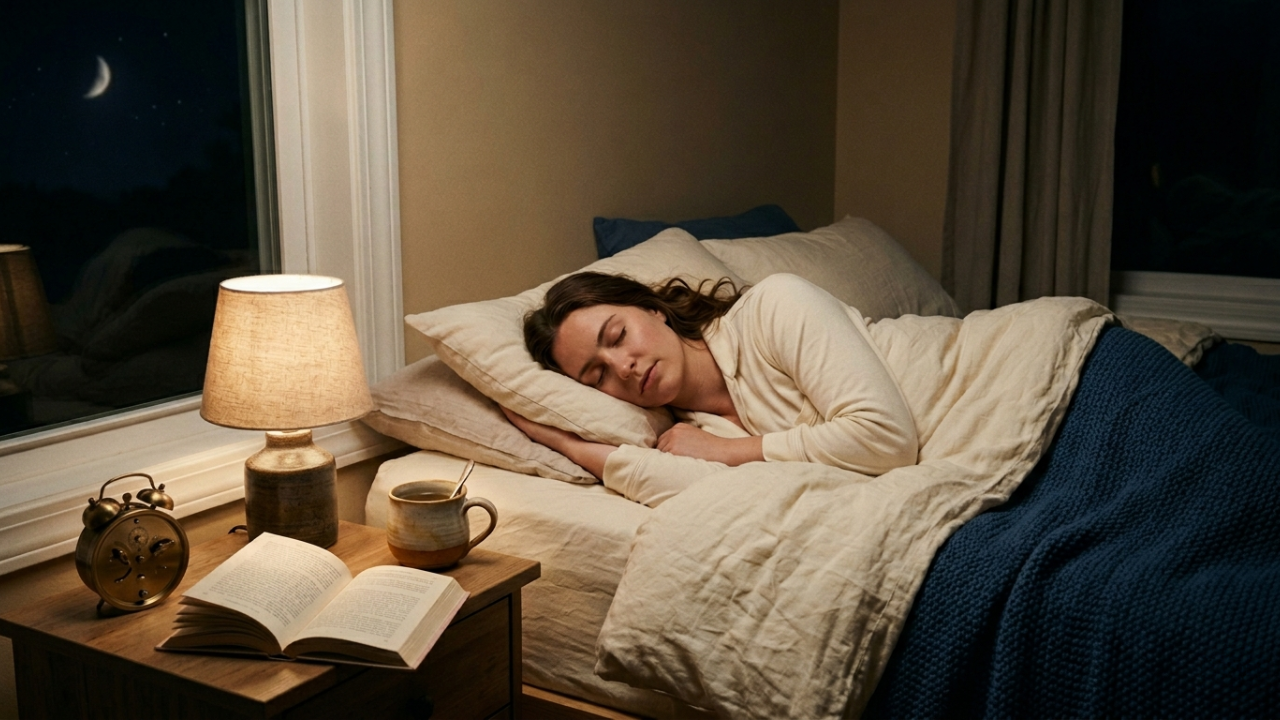
Your body wants to sleep. It knows how to sleep. But modern life, screens, stress, and coffee have confused your natural sleep signals. You lie in bed tired but wired. Your mind races. You check the clock again and again. Here is the truth: you do not need sleeping pills to fix this. Natural sleep is possible, and it starts with small daily habits that tell your brain it is time to rest. Here I am going to share exactly how to improve your sleep naturally, without medication, so you wake up feeling actually rested.
Disclaimer: I am not a doctor or medical professional. This information is for educational purposes only and does not replace professional medical advice. If you have chronic insomnia, sleep apnea, or other serious sleep disorders, please consult a qualified healthcare professional.
What is Natural Sleep?
Well, natural sleep means falling asleep easily, staying asleep through the night, and waking up feeling refreshed without the help of pills, supplements, or medication. Your body has an internal clock called the circadian rhythm. It releases melatonin when it gets dark and cortisol when the sun rises. When you work with this natural rhythm instead of against it, sleep becomes easy. Naturally, having good sleep means your hormones are balanced, your mind is calm, and your environment supports rest.
What are the main characteristics of natural, healthy sleep?
- You fall asleep within 15 to 20 minutes of lying down
- You sleep through the night or wake up only once briefly
- You wake up feeling rested, not groggy
- You do not need caffeine to function in the morning
- You feel naturally tired at bedtime
- You remember your dreams sometimes
- You do not dread going to bed
“A gentle reminder, if you have tried everything and still cannot sleep, that does not mean you are broken. It means your body needs help finding its rhythm again. Be patient with yourself. Sleep cannot be forced, only invited.”
Now, what’s the science behind Good Sleep?
Based on what I’ve researched, three key factors are your circadian rhythm, melatonin, and adenosine, which I am going to share with you about sleep science. The first one is Circadian Rhythm, the second is Melatonin, and the third is Adenosine. Now, let’s dive deeply into how?
Circadian Rhythm: This is your body’s internal 24-hour clock. It is controlled by a part of your brain called the suprachiasmatic nucleus. This clock responds mostly to light. When sunlight hits your eyes in the morning, your body stops producing melatonin and raises cortisol to wake you up. When it gets dark at night, your body releases melatonin to make you sleepy. The problem is that artificial light from phones, TVs, and lamps confuses your clock, making it think it is still daytime.
Melatonin: Melatonin is your sleep hormone. Your pineal gland produces it when it is dark. Melatonin does not force you to sleep, but it opens the door to sleep by telling your brain it is nighttime. Production slows down naturally as you age, which is why older adults often have more trouble sleeping. Some research suggests that exposure to blue light from screens for just two hours at night can suppress melatonin production by over 20 percent.
Adenosine: Adenosine is a chemical that builds up in your brain throughout the day. The longer you are awake, the more adenosine accumulates, and the sleepier you feel. Caffeine works by blocking adenosine receptors, which is why it keeps you awake. When you finally sleep, your brain clears out the adenosine so you can start fresh the next day.
What are a few signs that I am not getting quality sleep?
If you are not sleeping well, your body will send you clear signals. Here is what to look for.
- You take more than 30 minutes to fall asleep most nights
- You wake up multiple times during the night
- You wake up too early and cannot fall back asleep
- You feel tired, irritable, or foggy during the day
- You need caffeine or sugar to keep going
- You fall asleep instantly during quiet moments (like watching TV)
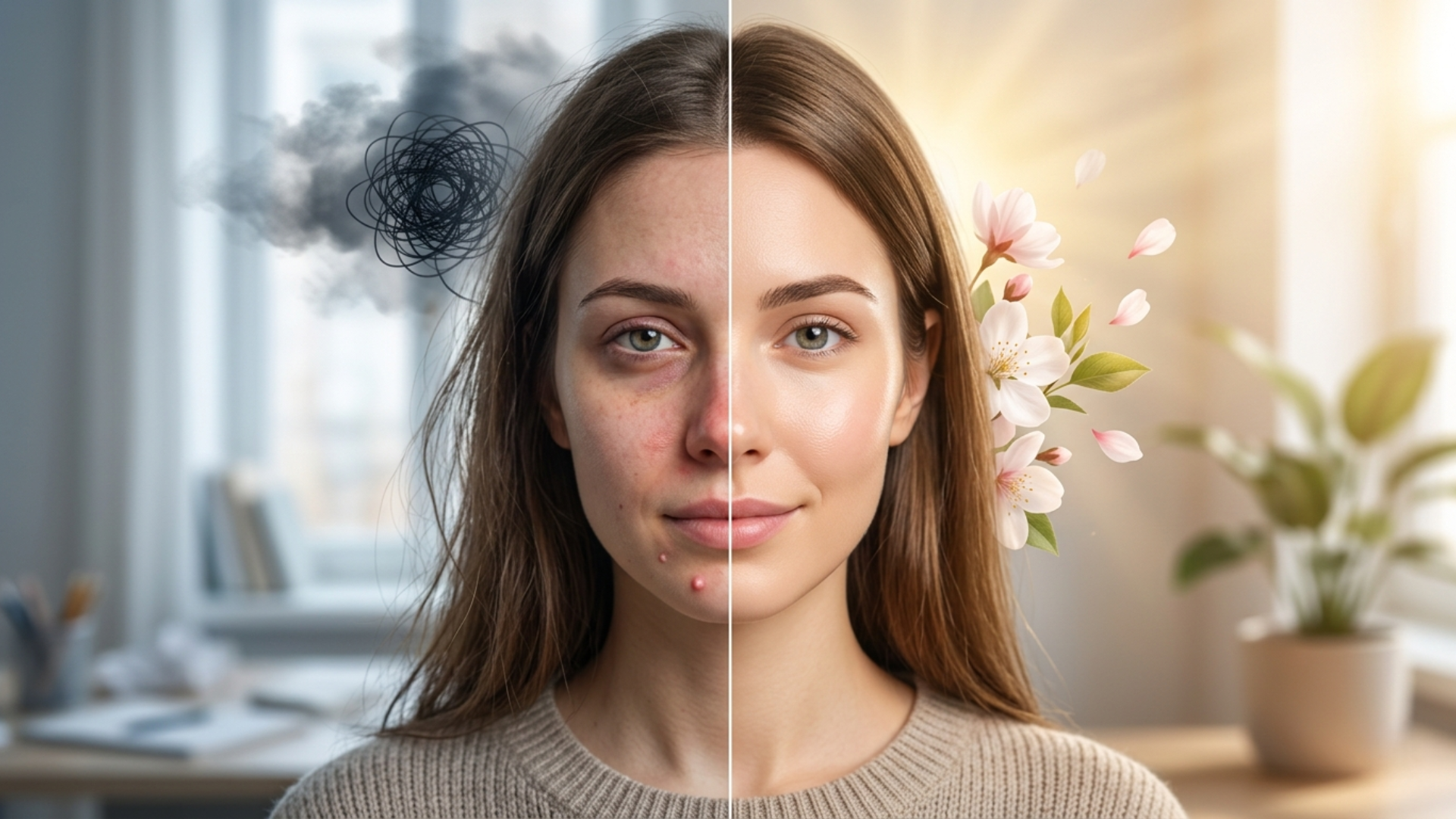
- Your skin looks dull, and you have dark circles
- You get sick more often than before
- You crave unhealthy foods, especially carbs and sugar
What are Natural Sleep Tips I can follow every day?
If you need better sleep without medication, there are many natural ways. I will try to cover all, but you will only get the result if you follow these consistently. Sleep improves slowly, not overnight. Give each change at least one week before deciding if it works for you.
Routine:
Go to bed and wake up at the same time every day, even on weekends. This is the single most effective sleep habit. Your circadian rhythm loves predictability. Within a week or two, your body will start feeling sleepy at bedtime and waking up naturally without an alarm. Choose a bedtime that allows for 7 to 9 hours of sleep.
Light:
Get bright light in your face within 30 minutes of waking up. Sunlight is best, but a bright indoor lamp works too. This sets your circadian clock for the day. Then, two to three hours before bed, dim all lights. Use lamps instead of overhead lights. Install blue light filters on your phone and computer, or better yet, put screens away completely one hour before bed.
Temperature:
Your body needs to cool down to fall asleep. Keep your bedroom between 18 and 22 degrees Celsius (65 to 72 degrees Fahrenheit). Take a warm bath or shower one to two hours before bed. When you get out, your body temperature drops quickly, which signals sleep. Use breathable sheets and avoid heavy blankets that make you overheat.
Food:
Stop eating two to three hours before bed. Digestion keeps your body awake. Avoid caffeine after 2 PM. Caffeine stays in your system for 6 to 10 hours. Avoid alcohol before bed. Alcohol might make you feel sleepy, but it fragments your sleep and stops you from reaching deep, restorative stages. A small snack with tryptophan, like a banana, a small bowl of oatmeal, or a handful of walnuts, can help if you are truly hungry.
Wind-Down:
Create a 30-minute buffer between your busy day and your bed. This is not sleep time. This is preparation time. Read a paper book. Listen to calm music. Stretch gently. Write down tomorrow’s to-do list so your brain stops worrying about forgetting things. Do not work, argue, or scroll through social media during this time.
Bed:
Use your bed only for sleep and rest. Do not work, eat, watch TV, or scroll on your phone in bed. Your brain learns that bed equals wakefulness if you do wakeful things there. If you cannot fall asleep after 20 minutes, get up, go to another room, do something boring and quiet (like folding laundry or reading a dull book), and only return to bed when you feel sleepy.
Noise:
Use white noise, pink noise, or brown noise to mask disturbing sounds. A fan, a white noise machine, or a free app on your phone works well. Some people sleep better with complete silence. Others need background noise. Experiment to see what works for you. Earplugs are also an option if noise is a problem.
Stress:
Stress is the number one killer of natural sleep. Practice the 5-4-3-2-1 grounding technique in bed: name five things you see, four things you feel, three things you hear, two things you smell, and one thing you taste. Or try 4-7-8 breathing: inhale for 4 seconds, hold for 7, exhale for 8. Repeat five times. This lowers your heart rate and calms your nervous system.
Movement:
Regular exercise improves sleep quality dramatically. Even 20 to 30 minutes of walking daily helps. However, avoid intense exercise within 2 to 3 hours of bedtime because it raises your body temperature and heart rate. Morning or afternoon workouts are best for sleep. Yoga and gentle stretching in the evening are excellent because they combine movement with deep breathing.
Herbs:
Some natural herbs and teas can support sleep. Chamomile tea contains apigenin, an antioxidant that binds to certain receptors in your brain that promote sleepiness. Valerian root has been used for centuries for insomnia. Lavender, either as tea or essential oil, has calming properties. Passionflower and lemon balm are also gentle options. These are not medications, but they are not zero either. Try one cup of chamomile tea one hour before bed and see if it helps.
Let’s wrap it up!
Improving sleep naturally without medication is absolutely possible. Your body already knows how to sleep. You just need to remove the obstacles and create the right conditions. Make sure to keep a consistent bedtime and wake-up time, as this is the most important step. Get bright light in the morning and dim light at night. Cool down your bedroom. Stop eating and using screens before bed. Create a wind-down routine that signals rest. Use your bed only for sleep. And most importantly, be patient with yourself.
Sleep is not something you can force. It is something you invite. By following these natural habits consistently, anyone can improve their sleep quality and wake up feeling truly rested.
Quick Reference Table:
| Problem | Natural Fix |
|---|---|
| Can’t fall asleep | Fixed bedtime, dim lights, no screens 1 hour before |
| Wake up during night | Cool bedroom temperature, white noise, no alcohol |
| Wake up too early | Blackout curtains, consistent wake-up time |
| Mind races in bed | Write down worries, 4-7-8 breathing |
| Not tired at bedtime | Morning sunlight, regular exercise, no afternoon caffeine |
| Need caffeine all day | Earlier bedtime, consistent sleep schedule |
Disclaimer: I am not a doctor or medical professional. This information is for educational purposes only and does not replace professional medical advice. If you have chronic insomnia, sleep apnea, or other serious sleep disorders, please consult a qualified healthcare professional.
Last updated: March 2026
Written by KGlow Writer
I’m not a medical professional. I research wellness, test natural sleep techniques at home, and share what I learn. This information is for educational purposes only. Always consult a doctor for medical concerns.
Have a question? Contact me through my website.
Leave a Reply (your existing comment form stays here)