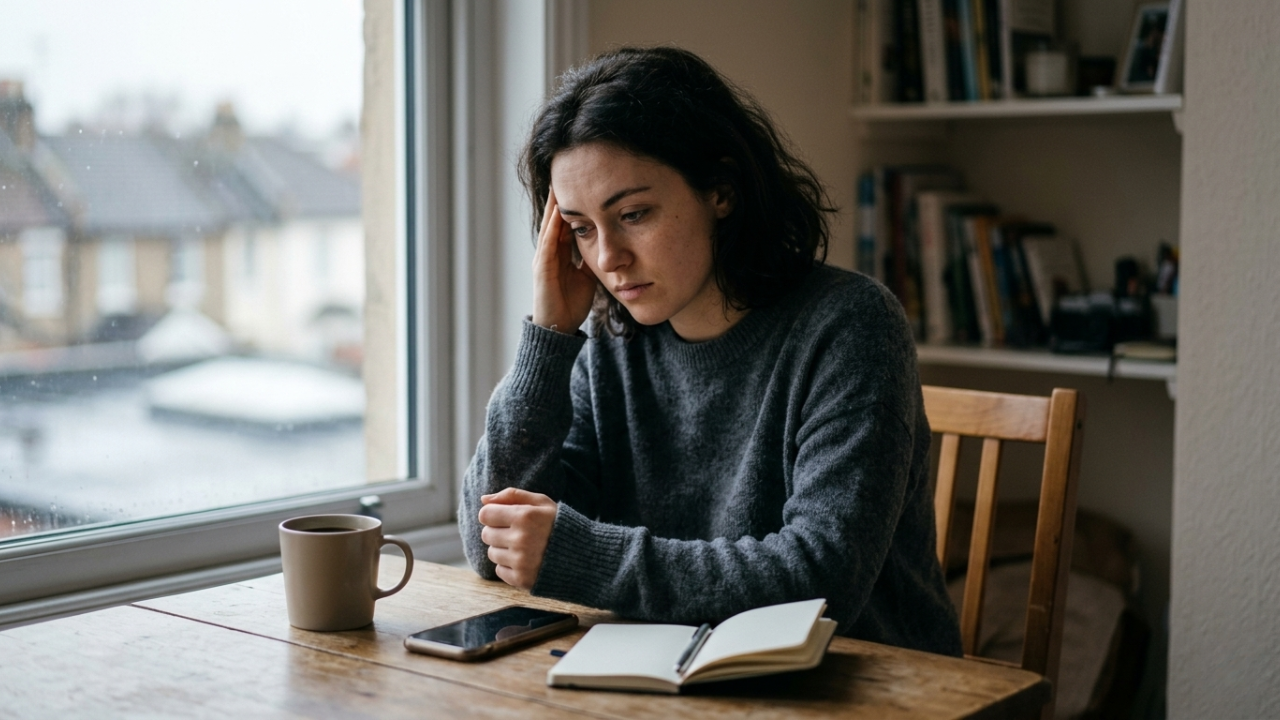
What if you are experiencing signs you’re more stressed than you realize without knowing it?
You think you are fine. You are handling everything. Work, family, bills, responsibilities. You are not crying, not panicking, not falling apart. So you must not be stressed, right? Wrong. Stress does not always look like shouting or breaking down. Most of the time, stress hides in small, daily signs that you barely notice. A clenched jaw. Forgetting things. Snapping at someone you love. Feeling tired but wired at the same time. Here I am going to share the hidden signs that you are more stressed than you realize, and more importantly, what to do about it.
Most people walk around with signs that they’re more stressed than they realize and never notice.
Disclaimer: I am not a doctor or therapist. This information is for educational purposes only and does not replace professional medical advice. If you are experiencing severe stress, anxiety, or depression, please consult a qualified healthcare professional.
Table of Contents
- What is Hidden Stress? Understanding Signs You’re More Stressed Than You Realize
- Now, what’s the science behind Hidden Stress?
- Physical Signs You’re More Stressed Than You Realize
- Emotional Signs You’re More Stressed Than You Realize
- What are Natural Ways to Recognize and Reduce Hidden Stress?
- Let’s wrap it up!
What is Hidden Stress? Understanding Signs You’re More Stressed Than You Realize
Well, hidden stress is stress that you have normalized. You have felt tense for so long that tension feels normal. You have been tired for so long that exhaustion feels like your personality. Hidden stress does not announce itself with obvious symptoms like panic attacks or crying spells. Instead, it shows up as small, persistent changes in your body, mood, behavior, and habits. Naturally, recognizing hidden stress means paying attention to these quiet signals before they become bigger problems.
What are the main characteristics of hidden stress?
- You have forgotten what “relaxed” feels like
- You feel irritable or impatient most days, but blame other people
- You are tired all the time, but have trouble sleeping
- You have developed small nervous habits that you do not notice
- You feel like you are just getting through each day
- You cannot remember the last time you felt truly calm
- People around you have asked if you are okay
“A gentle reminder, if you read this list and recognize yourself, that does not mean you are weak or broken. It means your body has been working too hard for too long. Noticing the signs is the first brave step toward feeling better.”
Now, what’s the science behind Hidden Stress?
Based on what I’ve researched, two key factors are cortisol baseline and nervous system habituation, which I am going to share with you about hidden stress science. The first one is Cortisol Baseline, and the other is Nervous System Habituation. Now, let’s dive deeply into how?
Stress responses vary between people and over time. Symptoms alone cannot show whether cortisol is high or diagnose a hormone problem. The earlier 20–30 percent cortisol claim lacked a source and has been removed.
People may become used to a demanding routine and overlook changes in wellbeing. That does not mean the nervous system stops signaling danger or establishes a diagnosis of “hidden stress.”
Physical Signs You’re More Stressed Than You Realize
The following symptoms can occur with stress, but each can have other causes. This is a reflection guide, not a diagnostic checklist.
Jaw or teeth issues: You clench your jaw during the day or grind your teeth at night. You wake up with sore jaw muscles or headaches. Your dentist might have mentioned worn-down teeth.
Shoulder and neck tension: Your shoulders are always slightly raised. You have constant knots in your upper back. You crack your neck frequently. Massage feels painful, not relaxing.
Digestive problems: Unexplained stomachaches, nausea, constipation, diarrhea, or bloating. Stress directly affects your gut through the gut-brain axis.
Frequent illnesses: You catch every cold that goes around. Cuts and scrapes heal slowly. You get canker sores or cold sores more often. Chronic stress lowers your immune system.
Skin issues: Breakouts that will not go away. Eczema or psoriasis flares. Hives. Extremely dry or oily skin. Your skin barrier weakens under chronic stress.
Hair changes: More hair in your brush or shower drain. Hair feels thinner. The scalp feels tender or itchy. Stress pushes hair follicles into a resting phase.
Weight changes: Unexplained weight gain or loss. Constant cravings for sugar, salt, or fat. Stress hormones affect appetite and fat storage.
Low energy: You are tired in the morning even after 8 hours of sleep. You crash in the afternoon. Caffeine does not help anymore. You feel exhausted by simple tasks.
Racing heart: Your heart pounds randomly. You feel your heartbeat in your chest or throat. Palpitations happen for no clear reason.
Emotional Signs You’re More Stressed Than You Realize
Your mood and behavior also show signs you’re more stressed than you realize:
Irritability: Small annoyances feel huge. You snap at people and regret it immediately. You have a short fuse. You feel guilty about your temper afterward.
Forgetfulness: You walk into a room and forget why. You lose your keys, phone, or wallet constantly. You miss appointments or deadlines. Brain fog is real.
Overwhelm: Simple decisions feel impossible. Choosing what to eat for dinner feels exhausting. You avoid making plans because everything feels like too much.
Nervous habits: You bite your nails. You pick at your skin. You tap your foot constantly. You play with your hair without realizing it. You cannot sit still.
Avoidance: You cancel plans with friends. You let phone calls go to voicemail. You avoid opening emails. You stay busy to avoid being alone with your thoughts.
Procrastination: You put off important tasks. You scroll on your phone instead of working. You wait until the last minute and then feel panicked. This creates more stress.
Perfectionism: Nothing feels good enough. You redo tasks multiple times. You cannot finish projects because they are never “right.” You are very hard on yourself.
Isolation: You feel like no one understands. You do not want to burden others. You spend more time alone than usual. You feel lonely even around people.
Changes in appetite: Eating too much or too little. Forgetting to eat. Eating only comfort foods. Feeling too tired to cook, so you eat junk.
Substance use: Drinking more alcohol than usual. Smoking more. Using caffeine to function and alcohol or weed to relax. Relying on things to change how you feel.
What are Natural Ways to Recognize and Reduce Hidden Stress?
If several experiences feel familiar, consider what support would help. Do not assume stress explains persistent or unexplained physical symptoms.
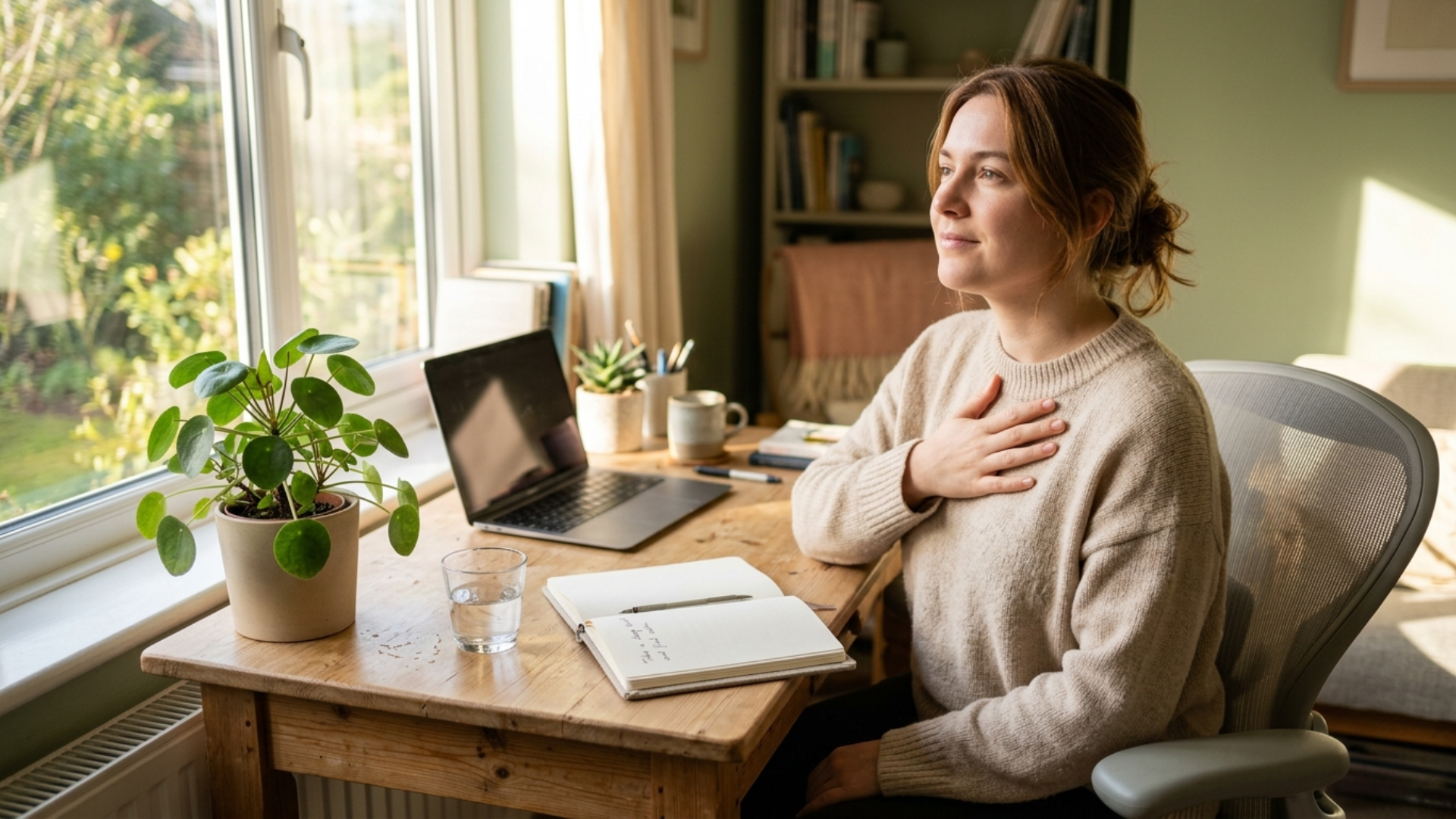
Body: Do a body scan every day. Sit quietly for 2 minutes. Close your eyes. Slowly move your attention from your toes to your head. Where do you feel tension? Jaw? Shoulders? Stomach? Your body will tell you where stress lives. Do this morning and night.
Mind: Keep a stress journal for one week. Every few hours, write down one number from 1 to 10 (1 is calm, 10 is panicked). Also, write down what you were doing. You will see patterns. Tuesday mornings are at 7. Friday afternoons are a 3. Once you see the pattern, you can change it.
Note sleep alongside your other symptoms. Improving sleep may help coping, but it does not resolve every physical or mental-health problem.
Habits: Notice your small nervous habits. Put a hair tie on your wrist. Every time you catch yourself clenching your jaw, biting a nail, or picking your skin, move the hair tie to the other wrist. This simple act makes you aware of how often you do it.
Relationships: Ask one person you trust, “Have you noticed me acting differently lately?” Listen without defending yourself. Other people often see our stress more clearly than we do.
Work: Look at your to-do list. How many things are actually urgent? How many things did you say yes to but wish you had not? Hidden stress often comes from carrying too many commitments.
Emotions: Name one emotion you feel right now. Not a story, just one word. Tired. Irritated. Heavy. Numb. Anxious. Lonely. Just naming the emotion lowers its power over you.
Let’s wrap it up!
Noticing changes in mood, sleep or behavior can prompt a helpful conversation. The list cannot tell you whether you have a stress disorder, a hormone problem or another condition.
Now you know the signs you’re more stressed than you realize. Awareness is the first step. Make sure to check in with your body daily. Ask trusted people for feedback. Track your sleep and energy. Notice your small nervous habits. And most importantly, be honest with yourself. You deserve to feel calm, not just “fine.”
Quick Reference Table:
This table summarizes the key signs you’re more stressed than you realize.
“Use this quick reference to check in with yourself:
| Hidden Sign | What It Might Mean | One Simple Check |
|---|---|---|
| Clenched jaw | Chronic tension | Check your jaw right now. Is it relaxed? |
| Always tired | High cortisol baseline | Rate your energy 1-10. Is it below 5? |
| Snapping at people | Overwhelmed nervous system | Ask someone if you seem different lately |
| Forgetting things | Brain fog from stress | Write everything down for one week |
| Nervous habits | Body releasing tension | Put a hair tie on your wrist as a reminder |
| Avoiding plans | Emotional exhaustion | When did you last say yes to something fun? |
Disclaimer: I am not a doctor or therapist. This information is for educational purposes only and does not replace professional medical advice. If you are experiencing severe stress, anxiety, or depression, please consult a qualified healthcare professional.
When to seek help
Seek professional help if symptoms persist or affect daily life. New chest pain, fainting, severe breathlessness or concerning palpitations need prompt medical assessment. Do not attribute them to stress based on this list. If you cannot stay safe, contact local emergency or crisis services.
Source
NHS: Stress symptoms and support
Written by KGlow Writer. I am not a dermatologist or medical professional. This article is for general education and does not replace individualized care. Last reviewed: October 9, 2026.

[…] no to something that drains you, your brain learns that you are safe and in control. Not sure if stress is taking over your life? Check the hidden […]