Hair type mistakes are more common than you think — and I have made almost all of them myself.
Hair can be confusing sometimes.
Disclaimer: I am not a doctor, dermatologist, or trichologist. This information is for educational and lifestyle purposes only and does not replace professional medical advice. If you have persistent hair or scalp concerns, please consult a qualified healthcare professional.
You try new shampoos, oils, and routines, but your hair still feels dry, frizzy, or flat.
It often feels like nothing is working the way it should.
I have been there. Standing in front of the mirror, wondering why my hair looked nothing like the shiny, bouncy hair in the videos I watched.
Most of the time, the problem is not your effort.
It is small hair type mistakes that go unnoticed.
These mistakes may seem harmless, but over time, they can slowly damage your hair without you even realizing it.
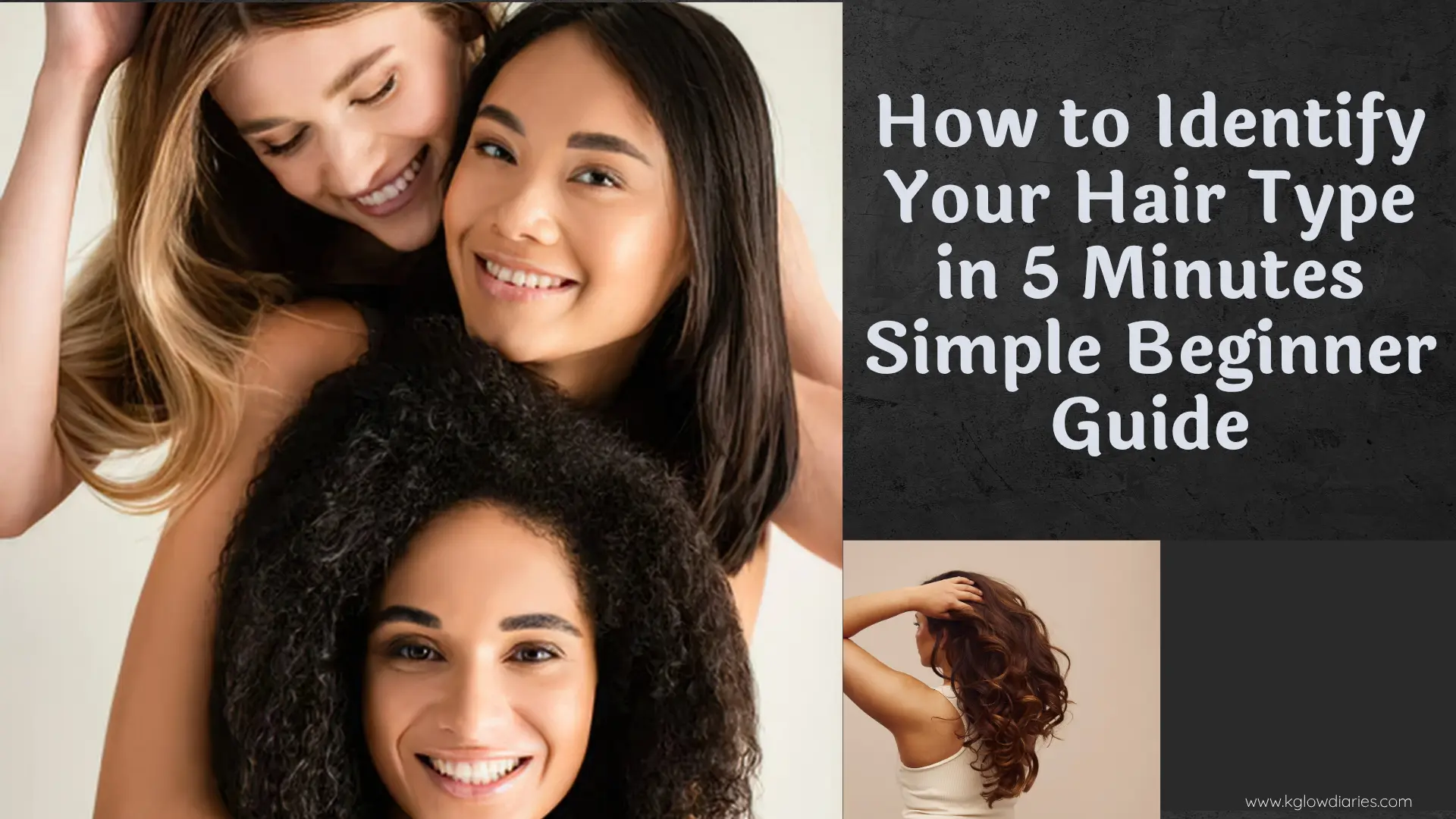
For more hair care help, check out my guide on how to identify your hair type.
What Are Hair Type Mistakes
Hair type mistakes happen when you treat your hair in a way that does not match its natural texture.
Every hair type needs different care.
What works for straight hair may not work for curly or wavy hair.
I learned this the hard way — using the same heavy conditioner my curly-haired friend loved on my wavy hair. It left my hair flat and lifeless for weeks.
When the wrong products or habits are used, hair can lose its natural balance.
Understanding these hair type mistakes is the first step to improving your hair care routine.
Common Hair Type Mistakes You May Be Making
Let me share the mistakes I have seen — and made myself — over the years.
One common mistake is using heavy products on hair that does not need them.
If your hair is straight or slightly wavy, thick creams or oils can make it look flat and greasy.
It may feel like your hair is always oily even after washing. I used to think more moisture meant better hair — but for my wavy hair, it just meant more grease.
Another mistake is not giving enough moisture to curly or coily hair.
Many people also brush their hair the same way without thinking about their type.
Curly hair can lose its shape when brushed dry.
Straight hair may not need as much handling.
I watched a friend brush her dry curls once and cringed — the frizz was instant.
Washing habits can also be a problem.
Ignoring your natural pattern is another mistake.
Trying to force your hair to behave differently can lead to damage over time. Your hair knows what it needs — sometimes we just need to listen.
For more details on different hair types, here is my complete guide to identifying your hair type.
How to Care for Your Hair the Right Way
The best way to care for your hair is to understand what it naturally needs.
If your hair feels oily quickly, lighter products may work better.
If it feels dry, focus on moisture and gentle care.
Keep your routine simple.
Choose a mild shampoo and a suitable conditioner.
Avoid changing products too often.
Pay attention to how your hair reacts.
This helps you adjust your routine in a natural way.
Simple Routine Based on Your Hair Type
If your hair is straight, keep your routine light.
Avoid using too much oil or heavy products. A simple shampoo and light conditioner are often enough.
If your hair is wavy, try to balance moisture and light care.
Too much product can weigh it down. A leave-in conditioner can help define waves without making them heavy.
If your hair is curly, focus on hydration.
Use simple products that help maintain softness. Avoid brushing dry curls — it leads to puffiness and breakage.
For coily hair, gentle detangling and appropriate conditioning can help manageability. Follow product instructions rather than assuming weekly deep conditioning is essential.
You do not need a long routine.
Just a few steps that match your hair type.
For natural hair treatments, try my DIY hair mask for dry frizzy hair.
Common Mistakes to Avoid
I have made almost every mistake on this list, so do not feel bad if you have too.
Using too many products at once is a common mistake.
It can make your hair feel heavy and dull. I once used a serum, oil, cream, and spray all together. My hair looked greasy for two days.
Another mistake is copying someone else’s routine.
Hair is different for everyone, and what works for one person may not work for another. That influencer with perfect curls? Her routine might ruin your straight hair.
Skipping regular care can also affect your hair over time.
Small steps done regularly work better than occasional effort.
Remember — avoiding hair type mistakes is about consistency, not perfection.
FAQs
How do I know if I am using the wrong products?
If your hair feels heavy, dry, or unbalanced, your products may not suit your type. Your hair will tell you — you just have to listen.
Can hair type mistakes cause damage?
Yes, small mistakes over time can affect hair health. Frizz, breakage, and dullness are often signs.
Should I change my routine often?
No, it is better to keep your routine simple and consistent. Hair responds better to steady care than constant change.
Is frizz always a sign of damage?
No. Humidity and natural texture can create frizz without indicating damage or poor care.
Do I need different products for different hair types?
Yes, using suitable products can make a difference. A curly-haired friend’s holy grail might be your straight hair’s nightmare.
Some Thoughts
Hair care does not need to be complicated.
Most of the time, it is about avoiding small hair type mistakes that slowly affect your hair.
Understanding your hair and keeping your routine simple can make things easier.
You do not need perfect hair.
You just need the right care for your hair.
With time and consistency, your hair can feel healthier and more manageable.
Remember — hair type mistakes are fixable. Start with one small change today.
Disclaimer: I am not a doctor, dermatologist, or trichologist. This information is for educational and lifestyle purposes only and does not replace professional medical advice. If you have persistent hair or scalp concerns, please consult a qualified healthcare professional.
Source
Written by KGlow Writer. I am not a dermatologist or medical professional. This article is for general education and does not replace individualized care. Last reviewed: October 9, 2026.