
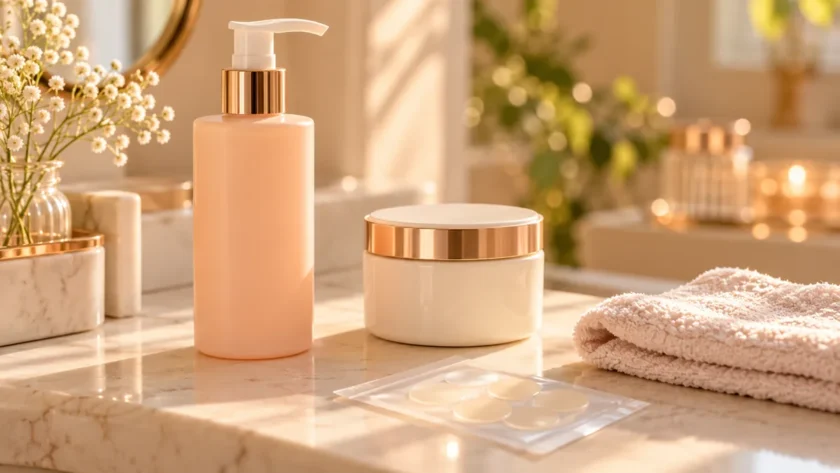
Acne is a common skin condition involving hair follicles and oil glands. Excess oil and dead skin cells can block follicles, and inflammation and bacteria can contribute. It is not simply a sign that someone is dirty, and scrubbing harder is not the answer.
Different kinds of spots
Blackheads are open blocked follicles; their dark appearance is not dirt. Whiteheads are closed blocked follicles. Inflamed bumps may be papules or pus-containing pustules. Deeper nodules and cyst-like lesions can be painful and may leave scars. A clinician can distinguish acne from other conditions that cause bumps.
Why acne develops
Hormonal changes, genetics and other factors can influence acne. Some medicines and skin or hair products can contribute. Several factors may be involved at once. A breakout does not prove a hormone imbalance, and its location on the jaw or forehead is not enough to diagnose the cause.
Triggers are individual
A product may worsen acne for one person but not another. Keep a short record of new products or medicines and when symptoms changed. Do not stop prescribed medicine on your own. Food and stress may be relevant for some people, but there is no single food that explains everyone’s acne, and restrictive diets are not a substitute for treatment.
Gentle care can support treatment
Wash gently rather than scrubbing or repeatedly cleansing to remove oil. Choose products labelled non-comedogenic where possible, understanding that tolerance still varies. Use a suitable moisturizer and sun protection. Avoid picking or squeezing spots, which can worsen marks and scarring.
Treatment is more than cleansing
Options such as benzoyl peroxide or other acne medicines may help, but selection depends on severity, suitability and local availability. Ask a pharmacist or clinician rather than starting several acids and treatments together. Follow product directions, including warnings about irritation. Retinoids are unsuitable during pregnancy; seek advice if pregnant or planning pregnancy.
What to record before an appointment
Note how long spots have been present, affected areas, pain, scarring, medicines and products used, and how acne affects your wellbeing. Include any other symptoms that concern you. These observations are more useful than trying to diagnose “hormonal acne” from an online face map.
When to seek help
Ask for advice if acne is persistent, painful, causing scars or affecting confidence and daily life. Deep lesions deserve timely care rather than repeated DIY remedies. Seek prompt help for signs of infection or a severe reaction. Treatment can take time; do not promise yourself clear skin by a fixed date.
Common misconceptions
More washing does not guarantee fewer spots. Blackheads do not mean poor hygiene. Oily skin is not the only skin that can develop acne. A basic routine can support care but cannot prevent every genetically influenced breakout or cure all acne.
Sources
NHS: Acne
AAD: Habits that can worsen acne
AAD: Retinoid precautions
Written by KGlow Writer. I am not a medical professional. This article provides general education and does not replace individualized professional advice. Last reviewed: October 9, 2026.
its a great value content
GOOD INFORMATION
[…] products that will help you to fix specific issues like acne. Benzoyl Peroxide is greatfor oily skin, which will help in killing bacteria that cause pimples, […]
[…] you need to stick to the routine to make your skin look fresh and healthier. We also write about acne causes and dark circles, you should check it now for enhanced your […]
[…] It can be triggered by internal factors, external damage, or daily habits. Understanding these causes is the first step to fixing dull […]
[…] the 60-second rule works very well for oily and acne-prone skin. Spending a full 60 seconds allows the cleanser to break down excess oil, unclog pores, and reduce […]