
Skin-type labels are shorthand for how skin tends to feel and behave. They can help with product texture choices, but they do not guarantee that a product is safe or diagnose a skin condition. You do not need invisible pores, a glassy finish or a particular colour to have normal skin.
Normal or balanced
“Normal” usually means skin feels neither especially oily nor dry. It does not mean flawless or superior. People using this label can still have acne, visible pores, irritation or a medical skin condition. Choose comfortable care rather than assuming this category needs no protection.
Oily
Oily skin tends to have more noticeable surface oil or shine. It can be acne-prone, but oiliness and acne are not identical. Avoid trying to remove all oil with harsh washing. A lighter moisturizer may be comfortable, and non-comedogenic labels can help with selection without guaranteeing that every product suits you.
Dry
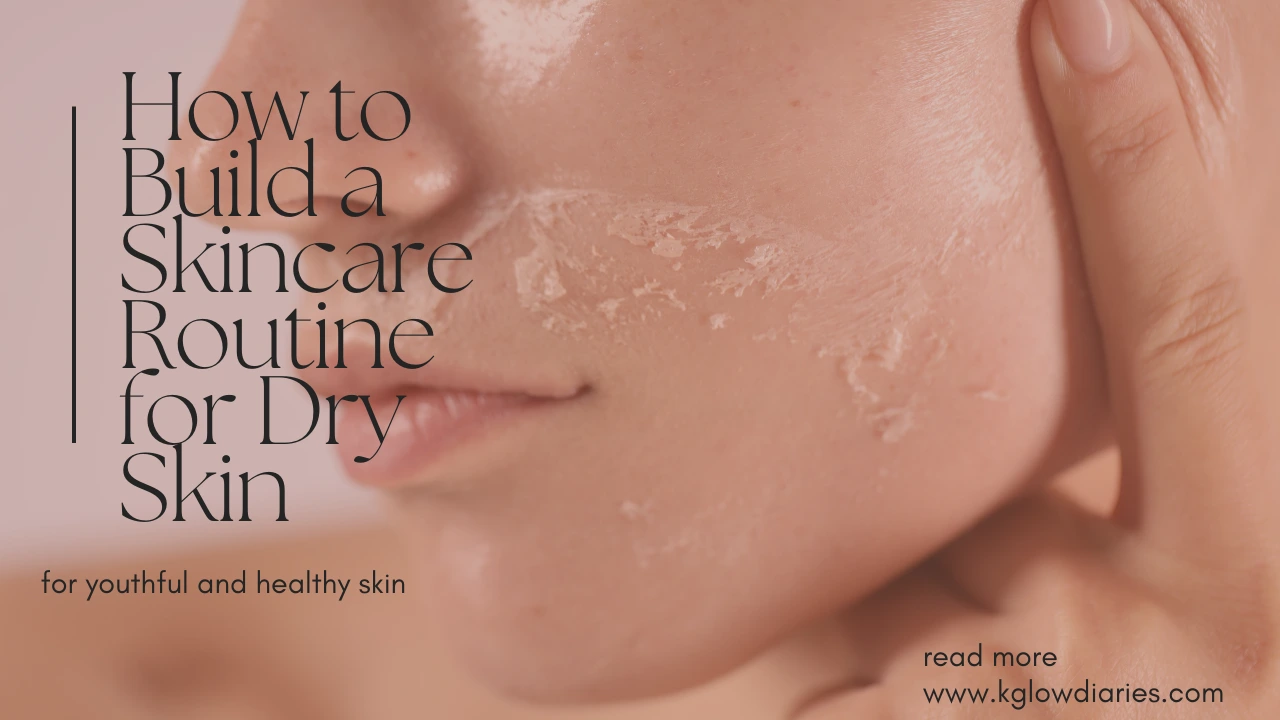
Dry skin may feel tight, rough or flaky. A richer cream or ointment may help some areas, but persistent dryness can have causes beyond a cosmetic type. Gentle cleansing and moisturizer are useful starting points. Exfoliating every week is not mandatory and can worsen irritation.
Combination
Combination describes different tendencies in different areas, often an oily forehead, nose and chin with drier cheeks. You may prefer more moisturizer on dry areas or a lighter texture elsewhere. You do not need to force every part of the face into the same routine.
Where sensitivity fits
Sensitivity can overlap with oiliness or dryness. Stinging, itching or redness may reflect irritation, allergy or another condition; those symptoms are not a diagnosis by themselves. “Natural,” “organic” and “for sensitive skin” labels do not guarantee tolerance. Get advice for persistent reactions.
What the labels cannot tell you
They cannot diagnose dehydration, a hormone imbalance, acne severity or an allergy. Pore size and one blotting-paper result do not prove a category. Products with the same label can have different ingredients and directions. Your comfort and response matter more than matching all packaging to one word.
Choose by purpose and tolerance
Keep the basics in view: gentle cleansing, suitable moisturizer and sun protection. Add a treatment only for a defined concern and with suitable guidance. Test optional new products carefully and avoid several changes at once. A toner, mist and weekly exfoliant are optional.
Labels can change without a fixed age rule
Weather, products, medicines, hormonal changes and ageing may affect how skin feels. There is no universal decade when everyone changes type. A sudden or uncomfortable change deserves assessment rather than simply buying a new age-branded range.
Sources and practical guide
AAD: Moisturizer choices and skin types
AAD: Product tolerance testing
For a simple record, use observing your skin at home.
Written by KGlow Writer. I am not a medical professional. This article provides general education and does not replace individualized professional advice. Last reviewed: October 9, 2026.



[…] a skin care routine is also one of the factors that will help you achieve your skin type goal if you have lost it, but you have to promise yourself that you will do this consistently; […]
[…] skin changes as we get older, and after 40, you’ll start to see that your skin starts to lose its glow due […]
[…] skin tells a tale. Why does your skin type change over time? As age is inevitable, this process will impact every part of your body, […]
[…] If you have any very painful breakouts and they are leaving scary scars, then you should consult a doctor. They will help you to find the main cause of the acne and will create a plan according to your skin type. […]
[…] Genetic factors play a major role in the formation of dark circles. Some people are innately born with thin under-eye skin or deep tear troughs. With aging, collagen and fat loss occur, which creates hollow areas and shadows. If we understand the reasons for dark circles, they can be controlled to a great extent through a healthy lifestyle, proper sleep, and skincare. […]
[…] is a very simple truth you need to know: your oil skin type is perfect. Nothing is wrong with it if you care for it every day with a proper skin care routine, […]
[…] you aren’t sure and are struggling with a skin care routine, you can check our guide to different skin types to be certain. If you have skin that is actually shiny and prone to breakouts, you might find our […]
[…] skin causes are different; first of all, it depends on your skin type. Dullness can show up in different ways. In general, skin looks dull when it lacks radiance and the […]
[…] Gentle, thorough skincare cleansing routine supports the skin barrier by removing irritants without stripping natural oils, especially when using the right cleanser for your skin type. […]
[…] So our daily approach of a skin care routine is the most effective and less expensive so if you are having 10 steps routine or 5 step routine used only occasionally is not going to give you the best result but you need to apply this daily a professional and yet a simple routine consistent for four non negotiable pillars is that you are using a cleanser moisturizer sunscreen and target treatments like serums lotions or night creams or the basic skin care routine that you are following according to your skin type. […]