
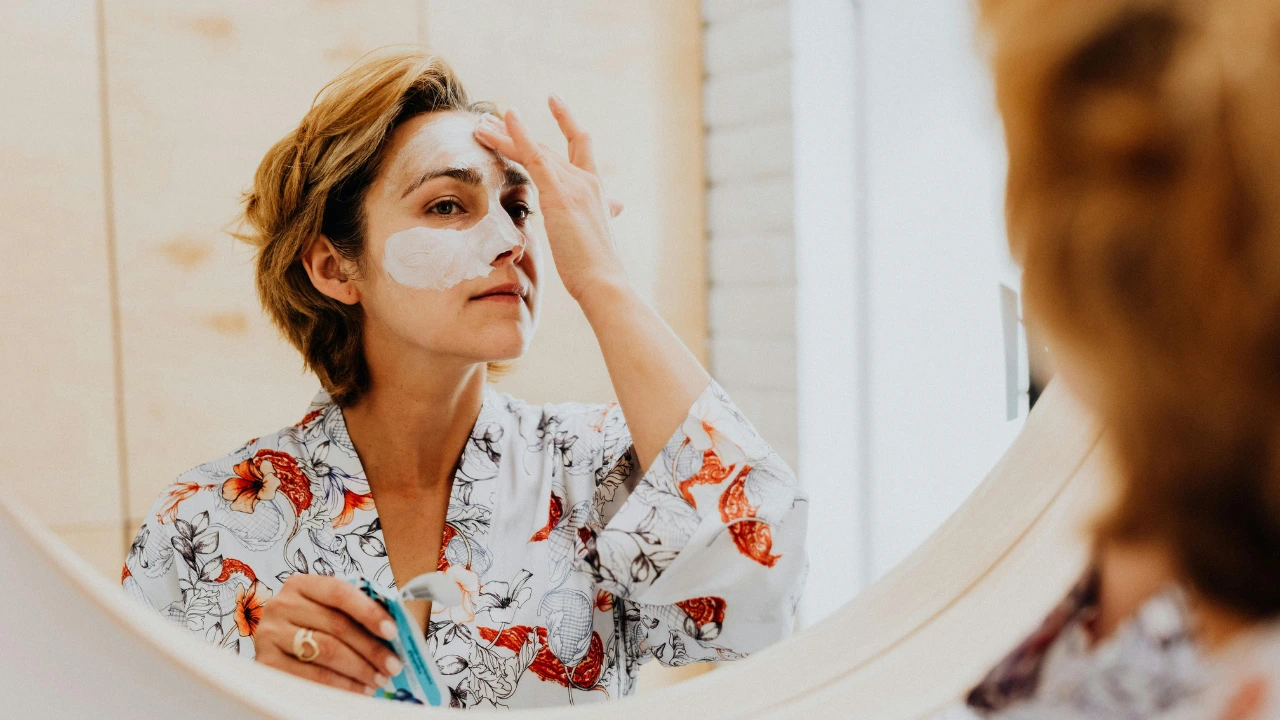
Observing your skin can help you choose comfortable products, but a tissue or mirror cannot definitively diagnose your skin type or a medical condition. This guide replaces the earlier “tests” with a simple observation method. Do not deliberately provoke a reaction or leave uncomfortable skin untreated to complete it.
Observe during your usual routine
Use your familiar, tolerable products. Note how different areas feel after washing and later in the day. Look for patterns over several ordinary days rather than treating one observation as permanent. Weather, exercise, makeup and products can all affect what you notice.
Record areas separately
Write forehead, nose and chin in one column and cheeks in another. Note shine, tightness, flaking and comfort. For example: “T-zone shiny by afternoon; cheeks comfortable.” This is a useful description even if you cannot choose one label for the whole face.
What a blotting sheet can show
A clean blotting sheet may pick up surface oil where you press it gently. It does not measure hydration, diagnose gland activity or prove a lifelong oily-skin type. Recent moisturizer, sunscreen and the time since washing affect the result. Avoid rubbing or repeatedly testing irritated areas.
Skip pinching and reaction challenges
Pinching the face and judging pore size do not establish skin type. Do not apply aloe or an unfamiliar cream to see whether it burns and then label yourself sensitive. A lack of immediate reaction does not rule out later irritation or allergy. Home product testing is for checking tolerance, not diagnosing sensitivity.
Use the observations to make a small decision
If dry areas feel tight, consider whether cleansing is irritating and whether a suitable moisturizer helps. If one area feels oily, a lighter texture may be more comfortable there. You do not need to buy a separate product for every area or match every item to one marketing label.
Example observation record
Date: Tuesday. Routine: familiar cleanser and moisturizer. Morning: cheeks comfortable. Afternoon: forehead shiny, no pain or itching. Recent changes: none. Next step: keep the comfortable routine; blot shine if preferred. This is an illustrative record, not a clinical test or my personal experience.
When observation is not enough
Persistent redness, burning, itching, pain, rash or significant acne should be assessed. These symptoms may need more than a cosmetic skin-type label. Do not delay professional care while repeating home tests. Seek urgent help for severe swelling or breathing difficulty after a product.
Related reading and sources
Read what skin-type labels mean for the terminology. See AAD: Choosing moisturizer and AAD: Testing skincare products.
Written by KGlow Writer. I am not a medical professional. This article provides general education and does not replace individualized professional advice. Last reviewed: October 9, 2026.
[…] skincare products use only ingredients that will not only work naturally with your skin, but it will also bring freshness to your skin naturally. Ginseng and rice are the main traditional […]
[…] By following a simple daily skin care routine, you can find a solution to your acne skin and you will see improvement in your skin. […]
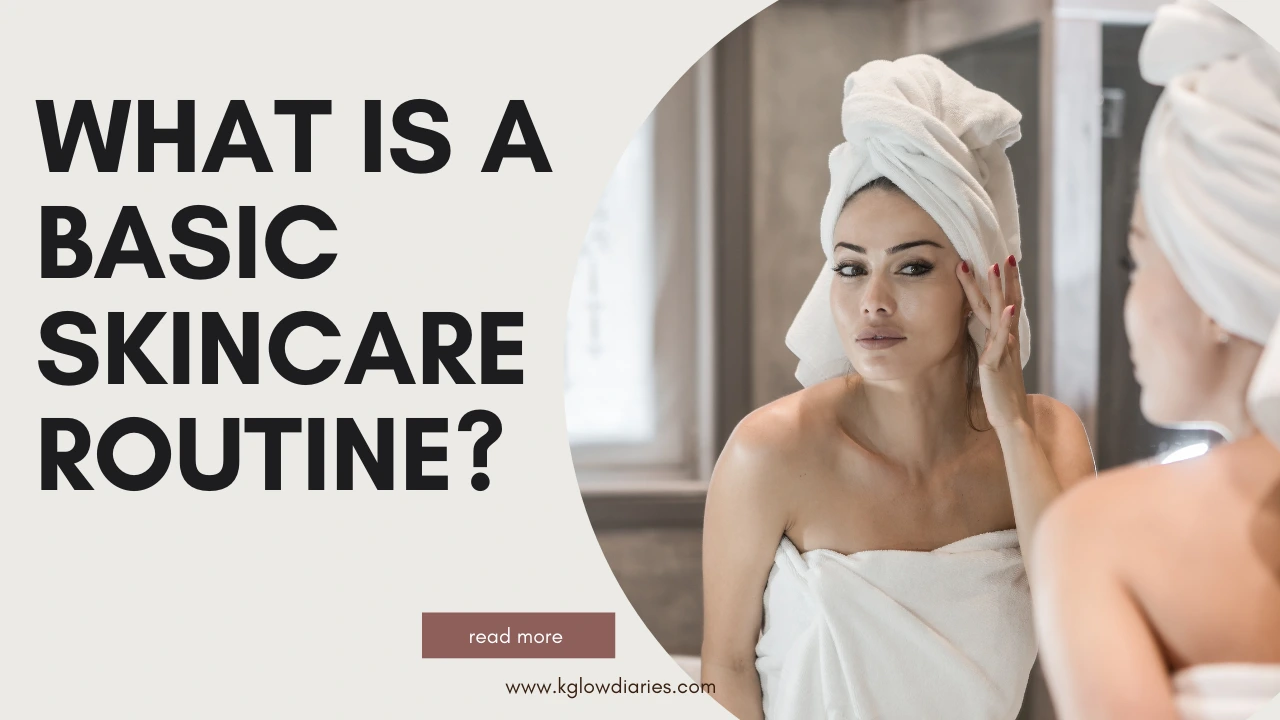
[…] Everyone requires their skin to look healthy, soft, and glowing. Still, beginners commonly do not understand how to start and which products or routines to follow. This is where the concept of a basic skincare routine becomes very important, as it is the first and most useful step to protect and naturally maintain your skin. […]
[…] you need to find out what your skin type I have a detailed blog post on it, and with the help of these simple tests, you can find out what […]
[…] you start any skin care, you should now you skin type, and for that, you can check out my blog on How to identify your skin type at home by doing some simple steps.Every skin type is unique in its own way, but having oily skin is the […]
[…] and understand the things that make your skin look dull. But before we dive in, it is important to identify your skin type, as this will make it easier to follow the best skincare routine for healthier-looking […]
[…] you better results. If you need to find out what your skin type is, you can read my blog post on how to identify your skin type at homeko with a very simple test. This will help you understand what the better cleansers are for your […]
[…] according to your skin type if you want to know what is your skin type you can check out my blog how to identify your skin at home with a simple steps will give you a clear and a very simple way to know what is the best skin care […]