1
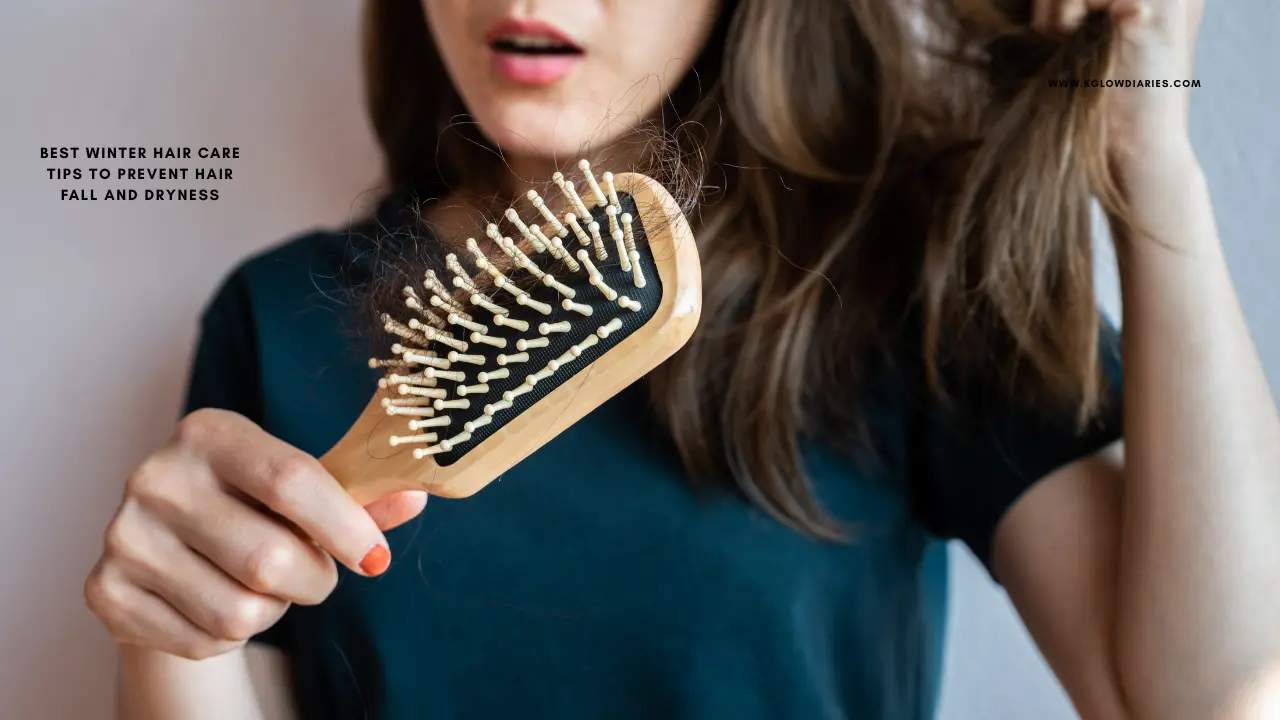
A woman looks into a circular mirror with a concerned expression while holding a hairbrush, featuring a text overlay that reads "Best Winter Hair Care Tips to Prevent Hair Fall and Dryness" and the URL "www.kglowdiaries.com."
Hair Care Information

Best Winter Hair Care Tips to Prevent Hair Fall and Dryness

Why Winter Hair Care Is Important

Winter is a more challenging climate for all hair kinds because the air is cold and dry. Cold air strips the scalp of its natural oil, leaving hair dry and flimsy. When the scalp becomes dry, the follicles of hair lose strength, which usually leads to hair fall. That’s why ignoring hair care in winter can spoil the overall hair condition.

Over this season, people usually wash their hair with warm water, which can be harmful for both hair and the head. Warm water expels the ethereal oils from the hair, causing dryness and frizz. In addition, drinking less water in winter can worsen hair problems, because if the body is not hydrated, hair also becomes weak.

Winter hair care is essential because it gives moisture to the hair and maintains the scalp’s condition. Without regular care, problems like dandruff, split ends, and excessive hair fall can appear. K Glow Dairies guides you with extra attention for your hair that can stay healthy, soft, and strong even during winter.

How Winter Weather Affects Hair

Winter has a powerful impact on hair. Cold, dry air strips the scalp of its essential oils. When the scalp turns dry, hair turns weak and brittle, raising the risk of damage and split ends.

Moisture is low during winter, which causes hair static and frizziness. Hair strands lose moisture, causing their texture to become rough. Hair begins to look drier and duller than usual.

Using heaters or radiators indoors also impacts hair health, as this heat addition expels moisture from the hair. On top of that, people usually wash their hair with warm water in winter, which strips away genuine oils.

Overall, the winter climate is a bit challenging for hair condition and strength. So, routine hair care is important to retain oil and secure the scalp.

Common dry hair problems in winter

During winter, hair often faces a few common problems. The most common is hair fall.

  • Cold air and a dry environment reduce the scalp’s natural oils, which weakens the hair roots and leads to increased hair fall.
  • The second issue is dryness and rough texture. Hair drops its natural oil, making it hard and crumbly. Ends can become frizzy or split if extra care isn’t taken.
  • Dandruff is also common in winter. A dry scalp increases flakes and itching. This can be managed with the right hygiene and hydration.
  • Several people also wash their hair too much or use blow-dryers in winter, which can increase these issues. Regular oiling, applying a mild shampoo, and retaining a healthy diet can help curtail them.

Winter Hair Care Tips for Dry Hair to Prevent Hair Fall

Oil Hair Regularly

The scalp tends to get dehydrated in winter, so hair oiling is extremely essential. If you need the best oil for hair fall in winter, Coconut, almond, or argan oil are best to hydrate the scalp, boost the hair roots, and minimize damage. Softly massaging the oil into the scalp also enhances blood circulation and helps hair restoration.

Use Mild Shampoo

Harsh shampoos can damage hair in winter. Applying a sulfate-free, mild shampoo is excessive. Washing hair every 2–3 days helps shield the scalp’s natural oils.

Avoid Hot Water

Bathing with warm water strips away natural hair oils. Using lukewarm water helps avoid dehydration in both hair and scalp.

Deep Conditioning

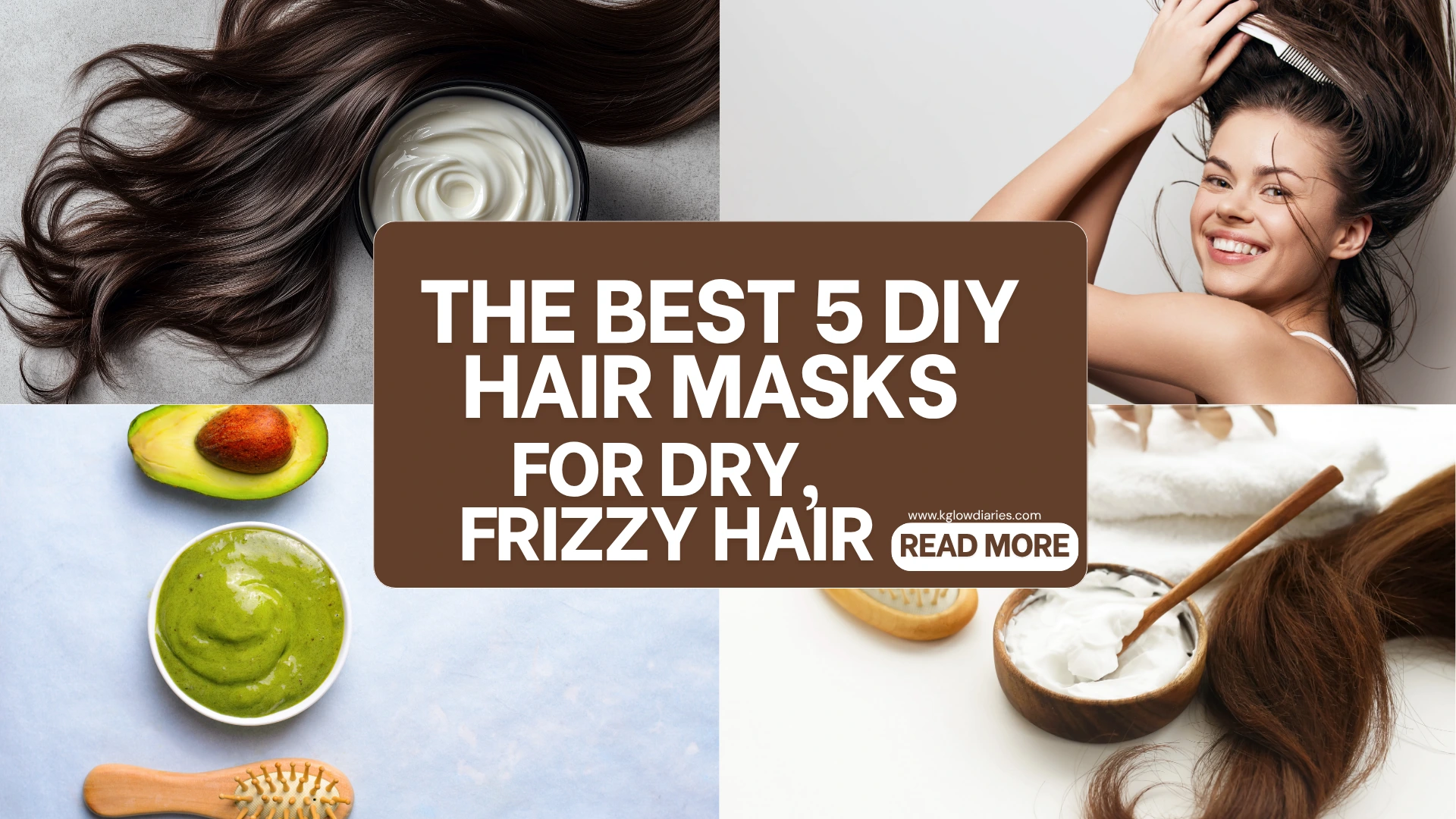
Once a week, deep conditioning benefits hold humidity in the hair. Hair masks with organic ingredients like yogurt, honey, or aloe vera can help your hair to be soft and strong.

Protect Hair from Cold Air

Cold air can instantly deface hair and scalp. Wearing a stole or hat shields the hair, keeping it secure from dehydration and breakage.

Balanced Diet

Protein- and vitamin-rich meals are essential for hair condition. Eggs, nuts, green vegetables, and fruits increase hair intensity and promote growth.

Natural Home Remedies For Winter Hair Fall

Coconut Oil and Aloe Vera Mask

Coconut oil hydrates the scalp and intensifies hair strands. Combining it with aloe vera gel helps minimize dryness. Apply this mask for 30 minutes, then bath with a mild cleansing shampoo. This mixture helps minimize both hair fall and frizz.

Yogurt and Honey Hair Pack

Yogurt is rich in protein and nourishes the hair, while honey keeps moisture and softens the scalp. Mix both and gently apply to the scalp and hair. After 20–25 minutes, rinse with lukewarm water. This pack is effective against winter dryness.

Fenugreek (Methi) Seeds Treatment

Soak fenugreek seeds in water overnight and make a paste. Applying it to the scalp improves hair strength. Fenugreek acts as an organic conditioner and supports reducing hair fall.

Olive Oil and Egg Mask

Olive oil provides deep conditioning. Mix it with an egg to make a mask and apply it to the scalp and hair. Wash after 20–30 minutes. This mask softens hair, smooths texture, and reduces split ends.

Amla (Indian Gooseberry) Hair Pack

Mix amla powder with yogurt or water before application. Rich in vitamin C, amla maintains scalp health and boosts hair growth. It is a simple and effective remedy for winter hair care.

Winter Diet for Healthy Hair and Winter Hair Care Diet Tips

Protein-Rich Foods for Strong Hair

Hair is mainly made of protein. Eating eggs, fish, chicken, and legumes keeps hair follicles strong. A protein deficiency can make hair brittle and increase hair fall. During winter, including these foods to prevent hair fall in winter naturally.

Vitamins and Minerals for Hair Health

Vitamins A, C, D, and minerals like zinc and iron are important for the scalp and hair development. Green vegetables, citrus fruits, nuts, and seeds are good sources of these nutrients. They keep hair healthy and shiny while reducing winter dryness.

Hydration Matters

People tend to drink less water in winter. If the body isn’t hydrated, the scalp becomes dry, and hair falls. Taking 6 to 8 glasses of water every day helps hair. Herbal teas and soups can also help maintain hydration.

Limit Heat Styling

Applying hair dryers, styling irons, and crimpers dries out hair. In winter, dry scalp and cold air make hair more vulnerable to damage. Limiting heat styling and allowing hair to dry naturally is better.

Protect Hair Outdoors

Cold air directly dries out hair and scalp. Wearing a scarf or hat helps protect hair. Long exposure can increase frizz and split ends, so outdoor protection is important.

Frequently Asked Questions About Winter Hair Care

1. Why does hair fall increase so much during winter?

Over winter, the air turns very dry and cold, which extracts oil from your scalp. When the hair gets dry, scalp roots become faint, leading to rise hair fall. Reduced blood circulation in cold weather and less oil production also make hair more prone to breakage.

2. How does winter weather make hair dry and rough?

Icy wind outside and heated air indoors both curtail moisture. This absence of moisture causes hair cuticles to open up, making hair feel uneven, frizzy, and dull. Without the right moisturizing, hair loses its native shine and power.

3. What are the best winter hair care tips to prevent hair fall naturally?

To avoid hair fall in winter, surely:

  • Massage your head with warm oil 1–2 times a week
  • Use a soft, sulfate-free shampoo
  • Using conditioner after each wash
  • Stop using heat styling equipments
  • Eat a healthy, nutritious diet

These habits keep your scalp nourished and strengthen hair from the roots.

4. Which hair oil works best for hair fall and dryness in winter?

Coconut oil is great for deep nourishment, castor oil helps reduce hair fall, and almond oil adds moisture and shine. Mixing two oils and applying them warm gives better results by improving blood circulation and strengthening roots.

5. How often should I wash my hair during winter?

Cleaning your hair 2 to 3 times a week is plenty in winter. Washing too often expels natural oils from the hair, making the scalp drier and rising hair fall.

Conclusion: Healthy Hair Care Routine for Winter

Winter can be a tough season for hair. Cold air, dryness, and an inadequate hair care routine often lead to enhanced hair fall and rough texture. Without timely and suitable care, hair can become weak, and scalp problems may start to develop.

Routine oiling, using a gentle shampoo, and best conditioning help keep hydration in the hair. Organic house remedies nourish the hair and reduce dependence on chemical-based products. Along with this, a healthy diet, adequate water intake, and a strong lifestyle promote hair health from within.

Winter hair care for a dry scalp is not only about using the right products but also about improving daily habits. When the care routine is simple, consistent, and suited to the season, hair fall stays under control, and dryness reduces. With a little attention and the right steps, hair can remain healthy and manageable even during winter.

Leave a Reply

Your email address will not be published. Required fields are marked *