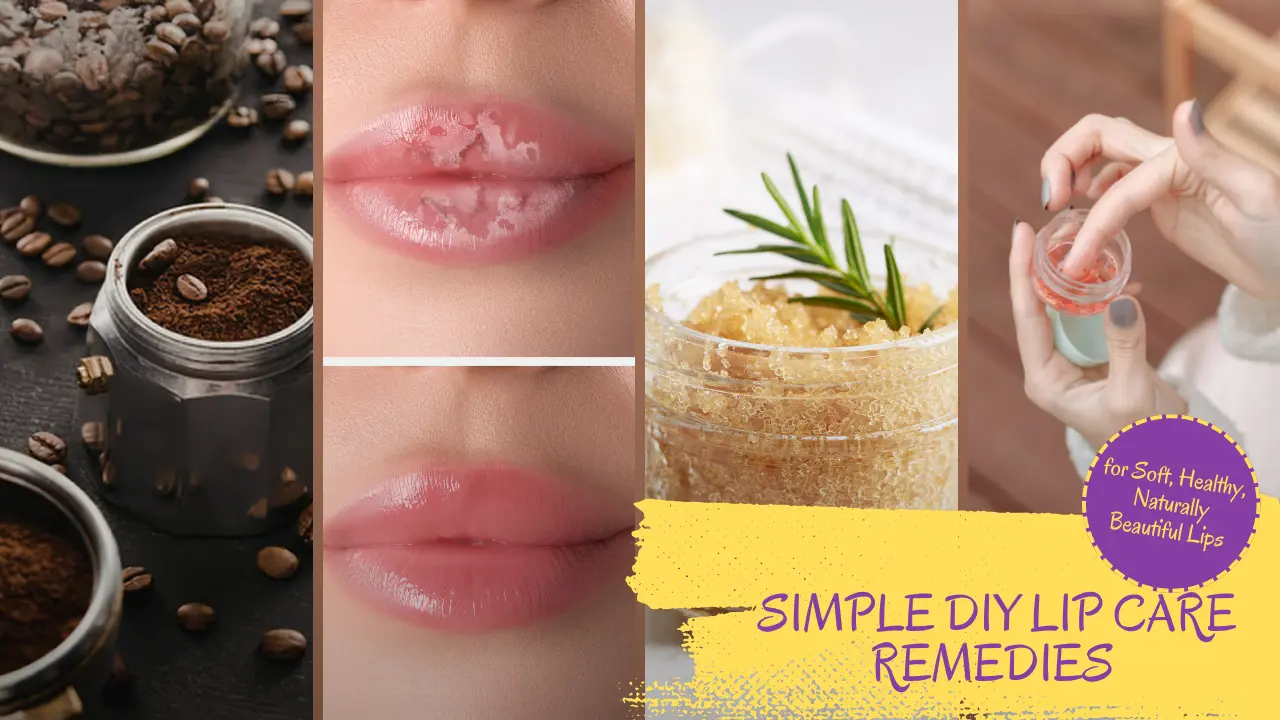
Peeling lips can make a scrub seem tempting. However, removing flakes by friction can add irritation. This guide replaces the earlier sugar and coffee recipes with a simpler approach to dry lip care. It does not promise a change in natural lip color.
Start with protection, not exfoliation
Avoid picking, biting and licking your lips. Use a plain, non-irritating balm or ointment that you tolerate. White petroleum jelly is an inexpensive option for very dry lips. Reapply when needed, including before bed. If a product burns or tingles, stop using it rather than treating that sensation as evidence it is working.
For outdoor use, choose a lip product with SPF 30 or higher and follow its reapplication instructions. Sun protection matters even when lips do not feel dry.
Why the kitchen recipes were removed
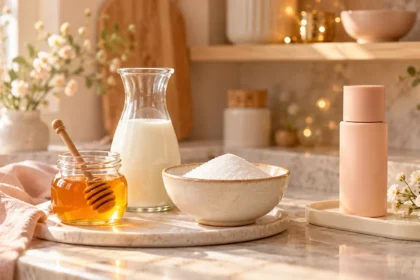
Sugar and coffee add friction to delicate skin. Flaking does not mean balm cannot work until the surface is scrubbed. The earlier claims that scrubs improve absorption or circulation enough to heal lips were not supported.
Honey and food oils are not necessary treatments, and food allergies remain relevant when ingredients touch the lips. Almond oil is unsuitable for someone allergic to almonds. Kitchen mixtures do not have a validated shelf life here. Lemon juice and essential oils are not recommended for lightening or treating lips.
Check what keeps irritating your lips
Try a short record of when symptoms occur: after a new lipstick, toothpaste, scented balm, outdoor exposure or repeated licking. Change one optional product at a time. This can help you describe the pattern to a clinician, but it is not an allergy diagnosis.
Drinking enough fluid supports general health. Dry lips alone do not prove dehydration, and extra water will not resolve every cause of peeling. Avoid assuming that a persistent problem is your fault for not drinking enough.
A practical daily routine
Morning: apply a tolerated balm and sun protection before going outside. Daytime: reapply as needed and avoid licking. Evening: gently remove makeup without rubbing, then apply a plain ointment. There is no required weekly scrub or overnight food mask.
When to get help
If lips are not improving after two to three weeks of gentle care, or there is persistent cracking, bleeding, pain or a sore that does not heal, seek professional advice. Sudden lip swelling with trouble breathing needs urgent care.
Common questions
Can I make my lips permanently pink? Natural color varies. This routine aims at comfort and protection, not changing pigmentation.
Should I peel off loose skin? Avoid picking it. Protect the area and let it recover.
Does a patch test make a food remedy safe? No. A small-area test cannot exclude every allergy or establish the safety of an unpreserved mixture.
Source
American Academy of Dermatology: Healing dry, chapped lips.
Written by KGlow Writer. I am not a dermatologist or medical professional. This article is for general education and does not replace individualized care. Last reviewed: October 9, 2026.